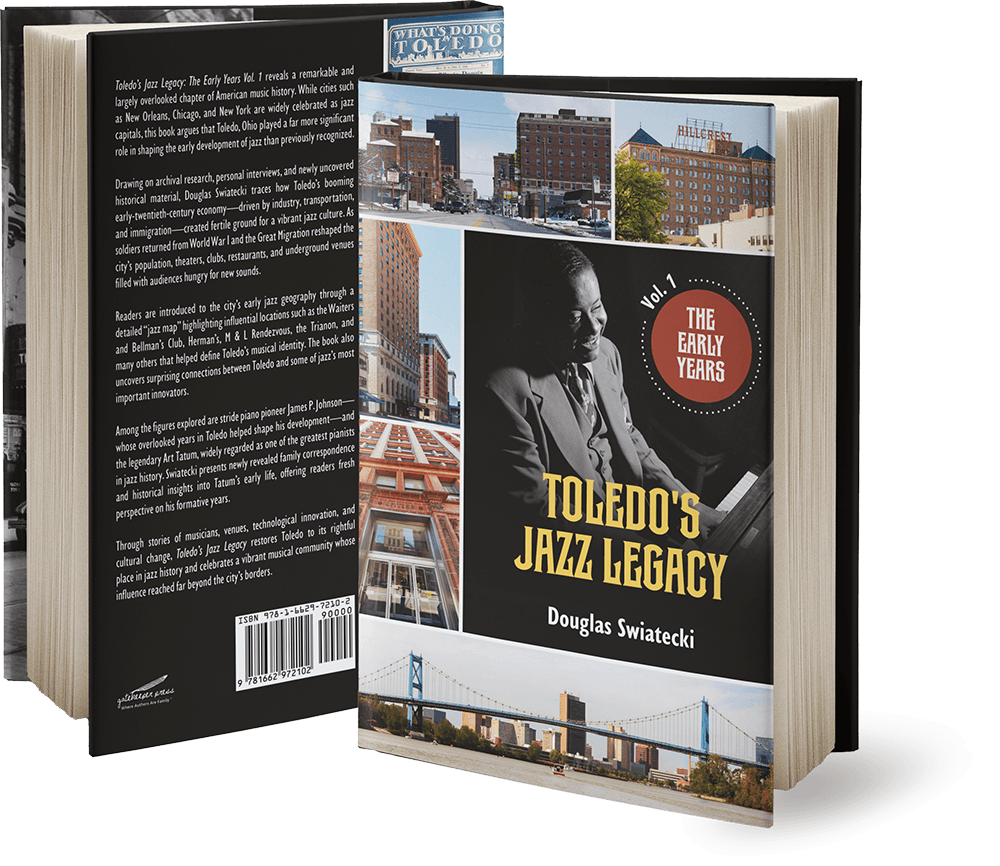
Until now. Douglas Swiatecki spent a lifetime in this city's clubs and archives — and came back with the players, the rooms and the years that put a river town in Ohio at the center of a music everyone credits to somewhere else. The Early Years is the first volume.
Some are carved into jazz history. Some are remembered on one block of one street. The book treats them with the same seriousness.
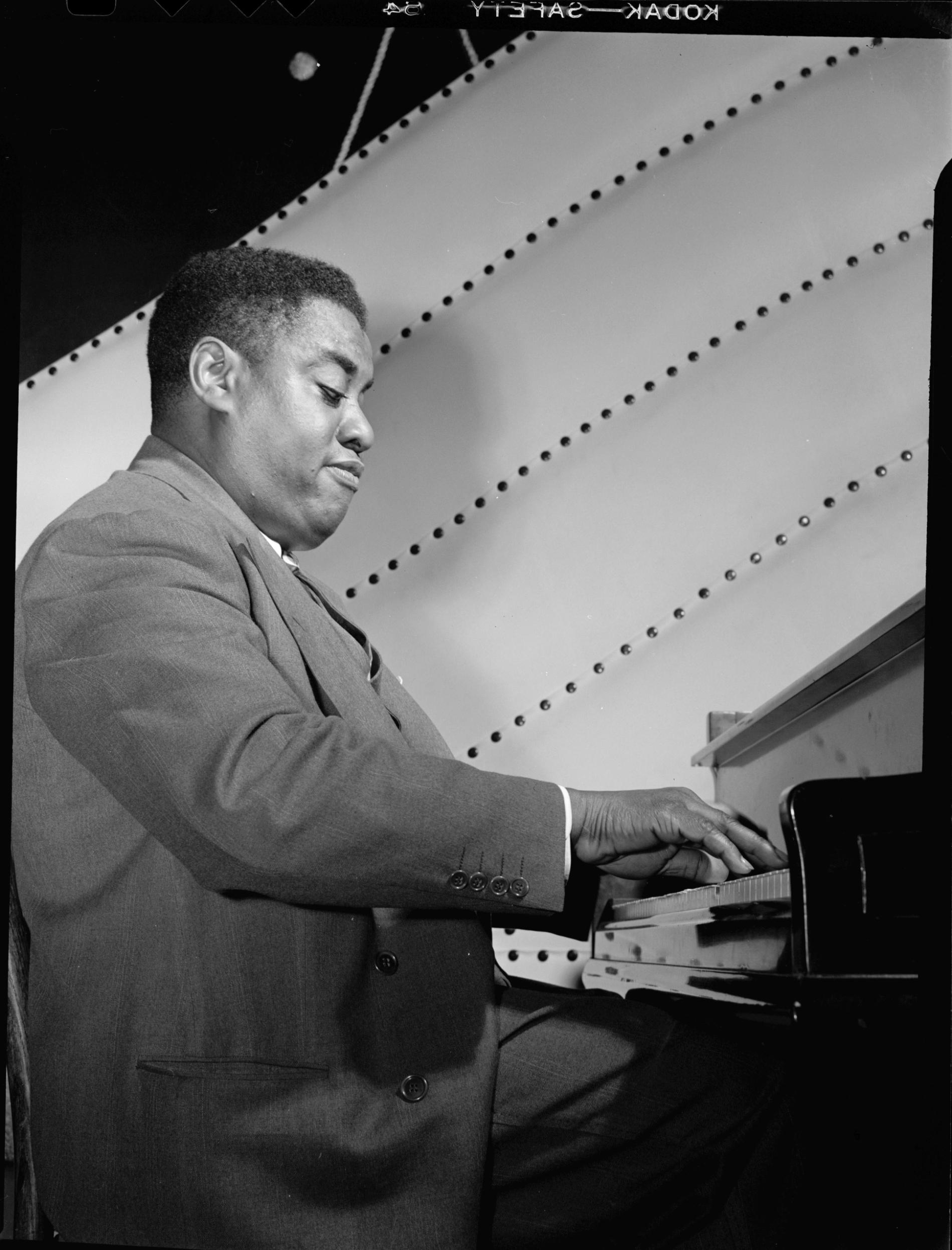
Toledo's own, and by wide agreement one of the greatest pianists jazz has produced. The book opens his early years with letters his family kept.
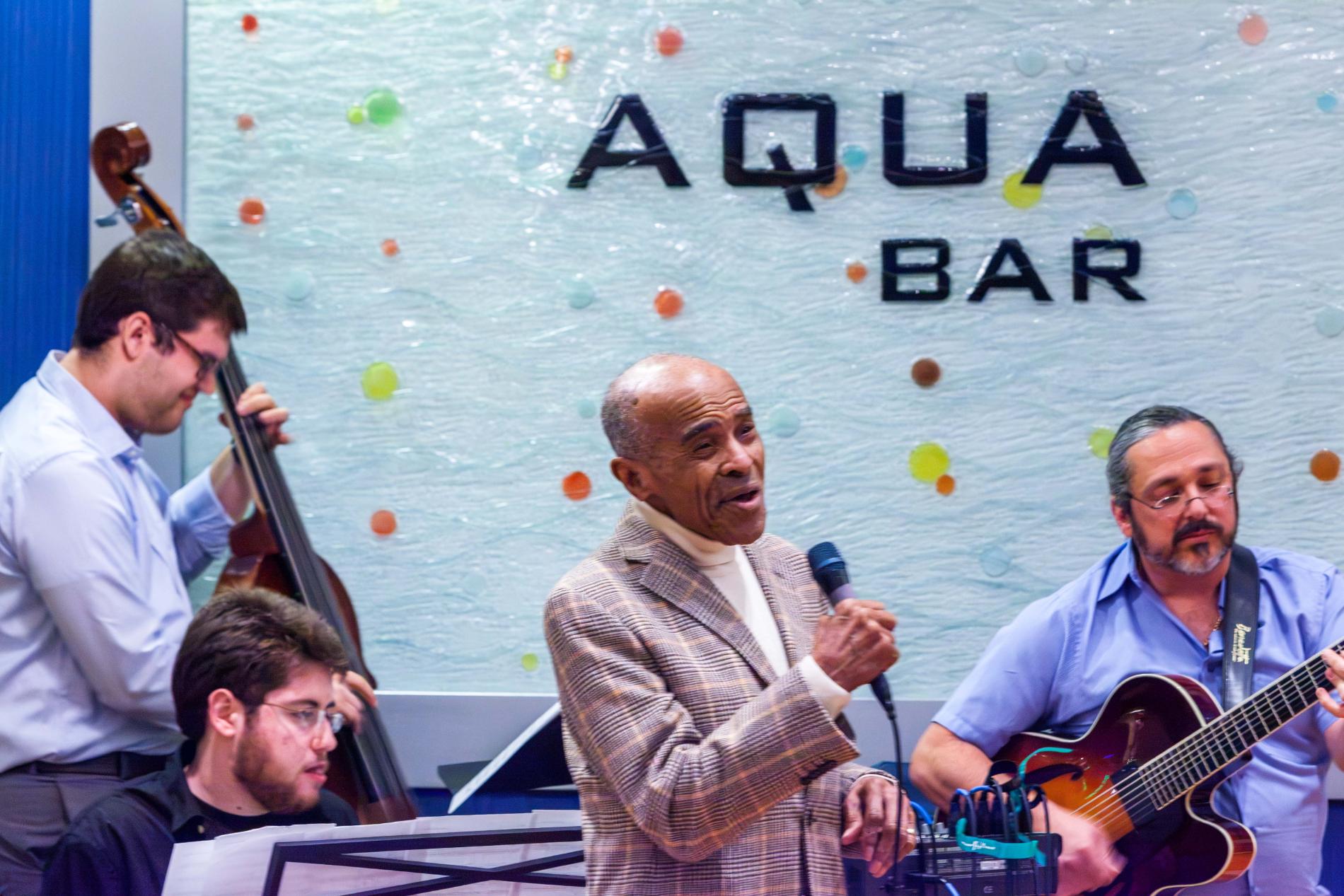
The man who taught horns to sing words. He came home often, and downtown still owes him a statue.
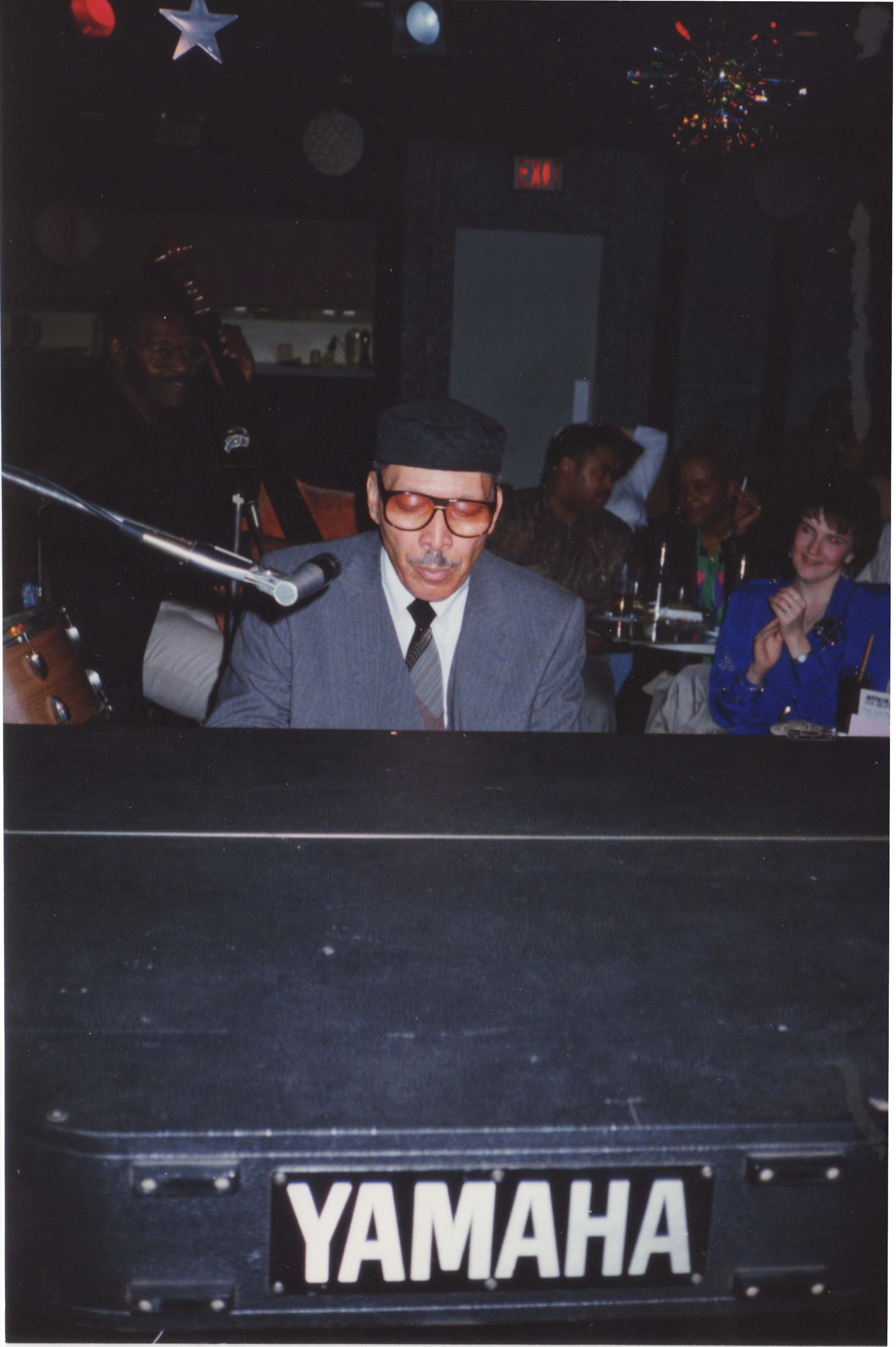
A pianist local players measured themselves against, and a fixture at Murphy's Place for years.
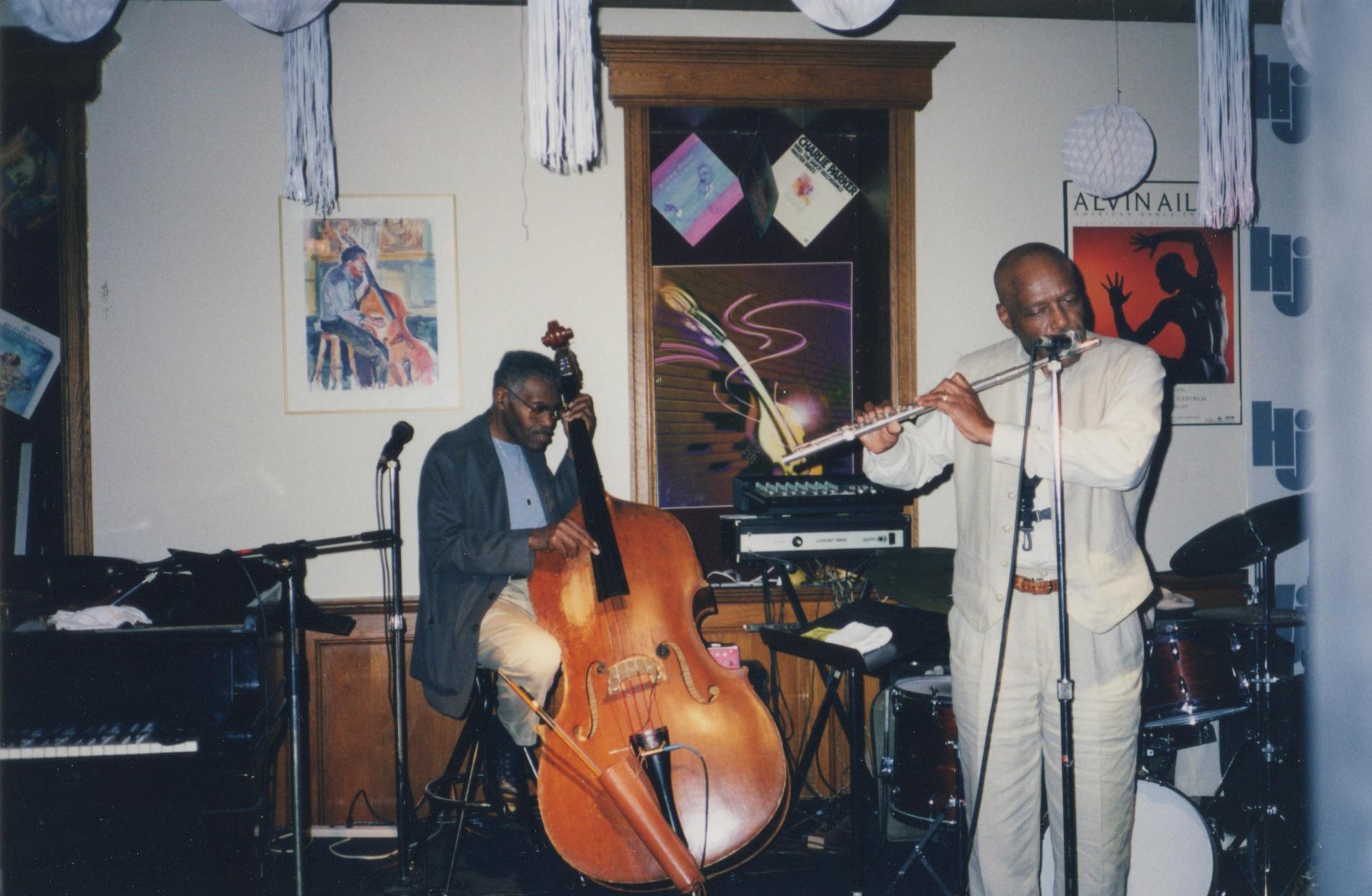
Cliff gave the city a room of its own. Generations of Toledo musicians got their first real sitting-in at his place.
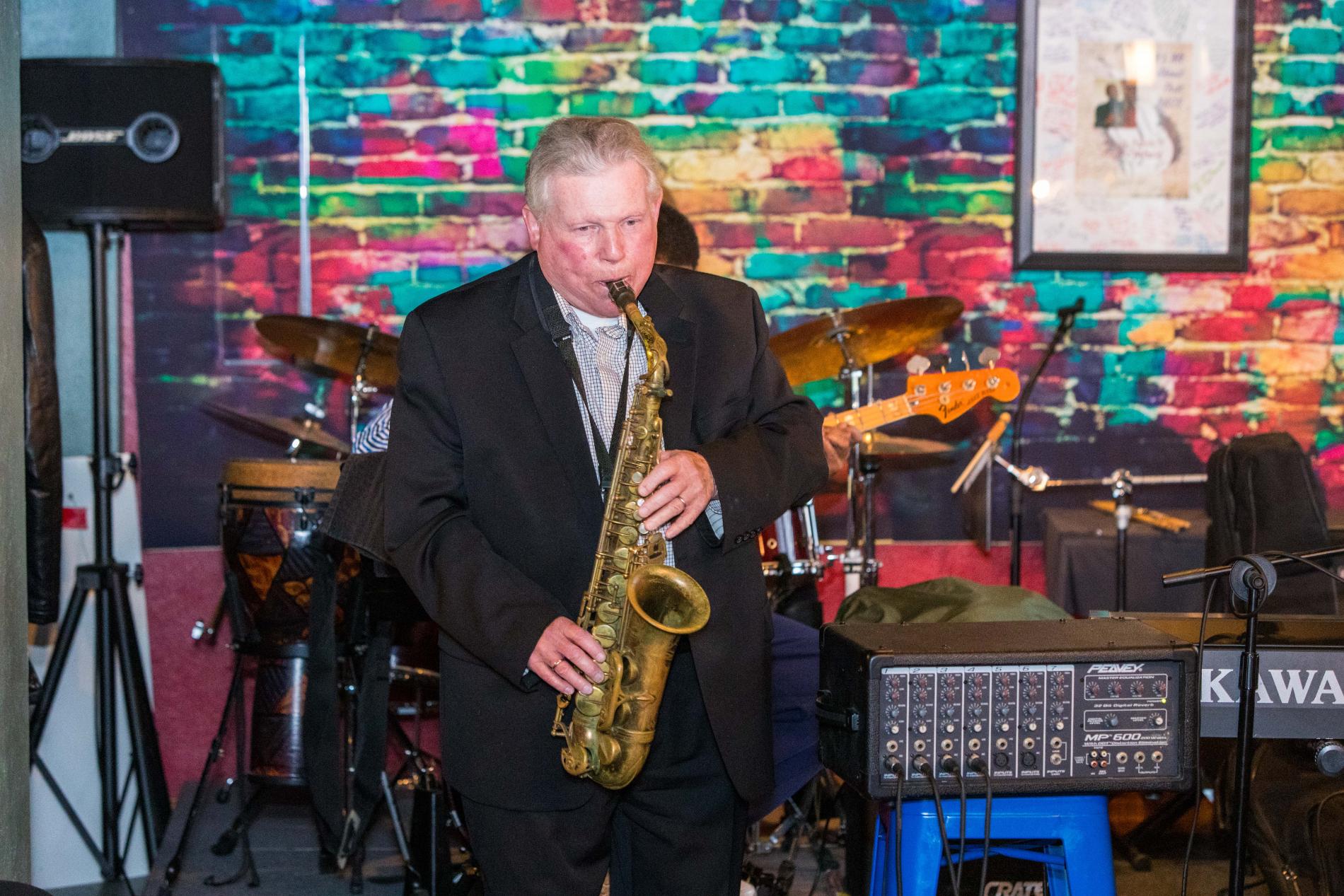
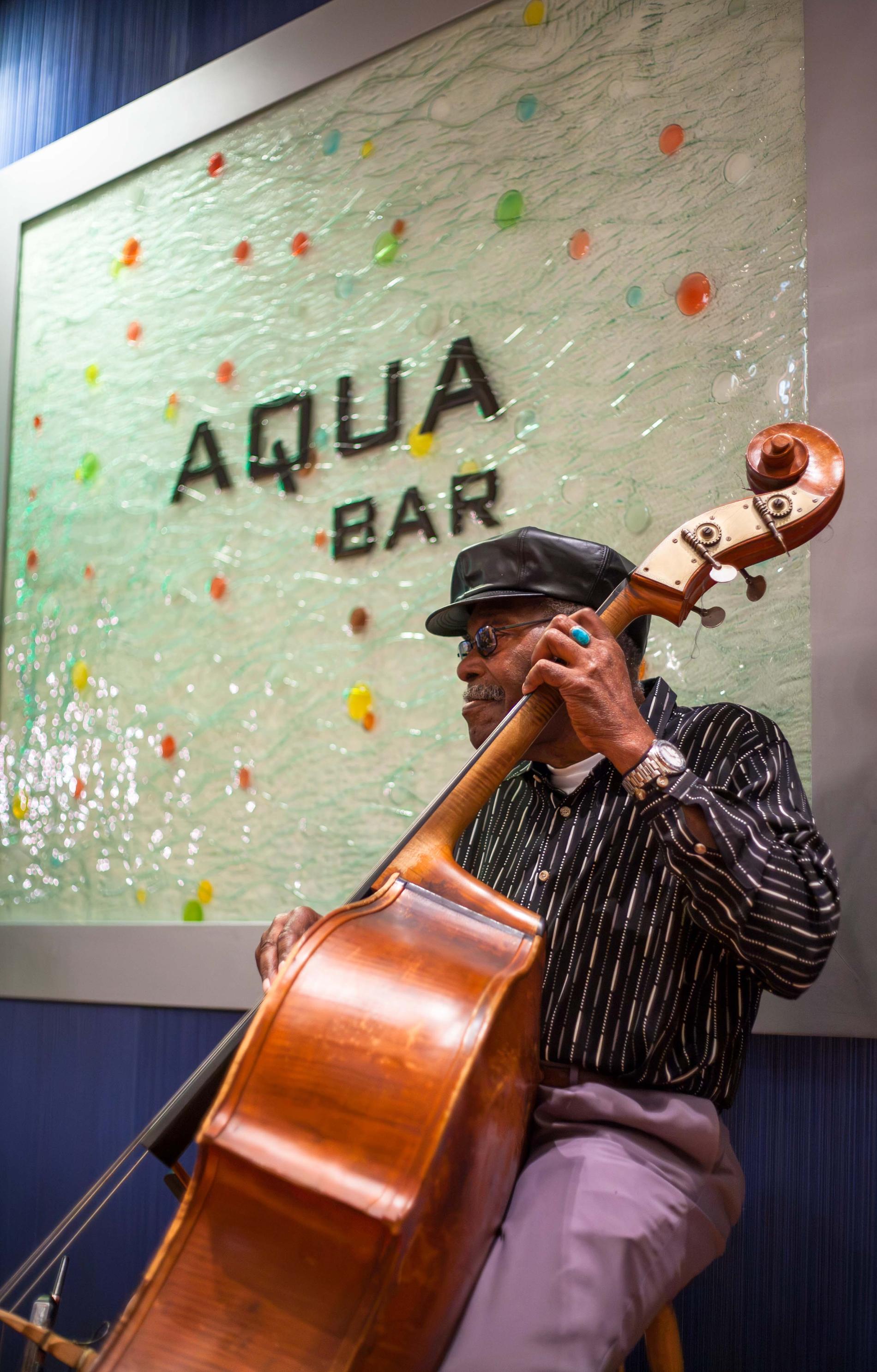
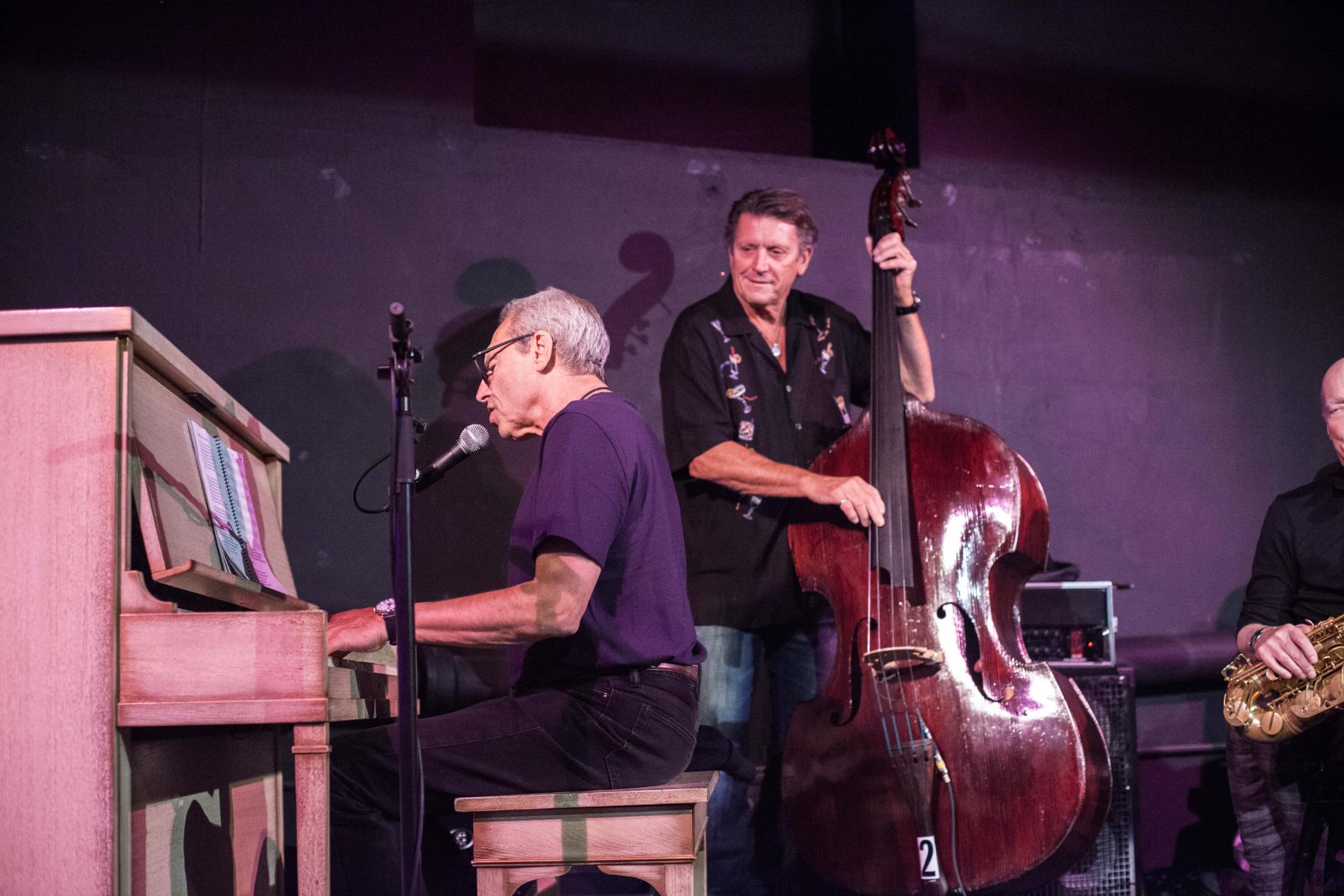
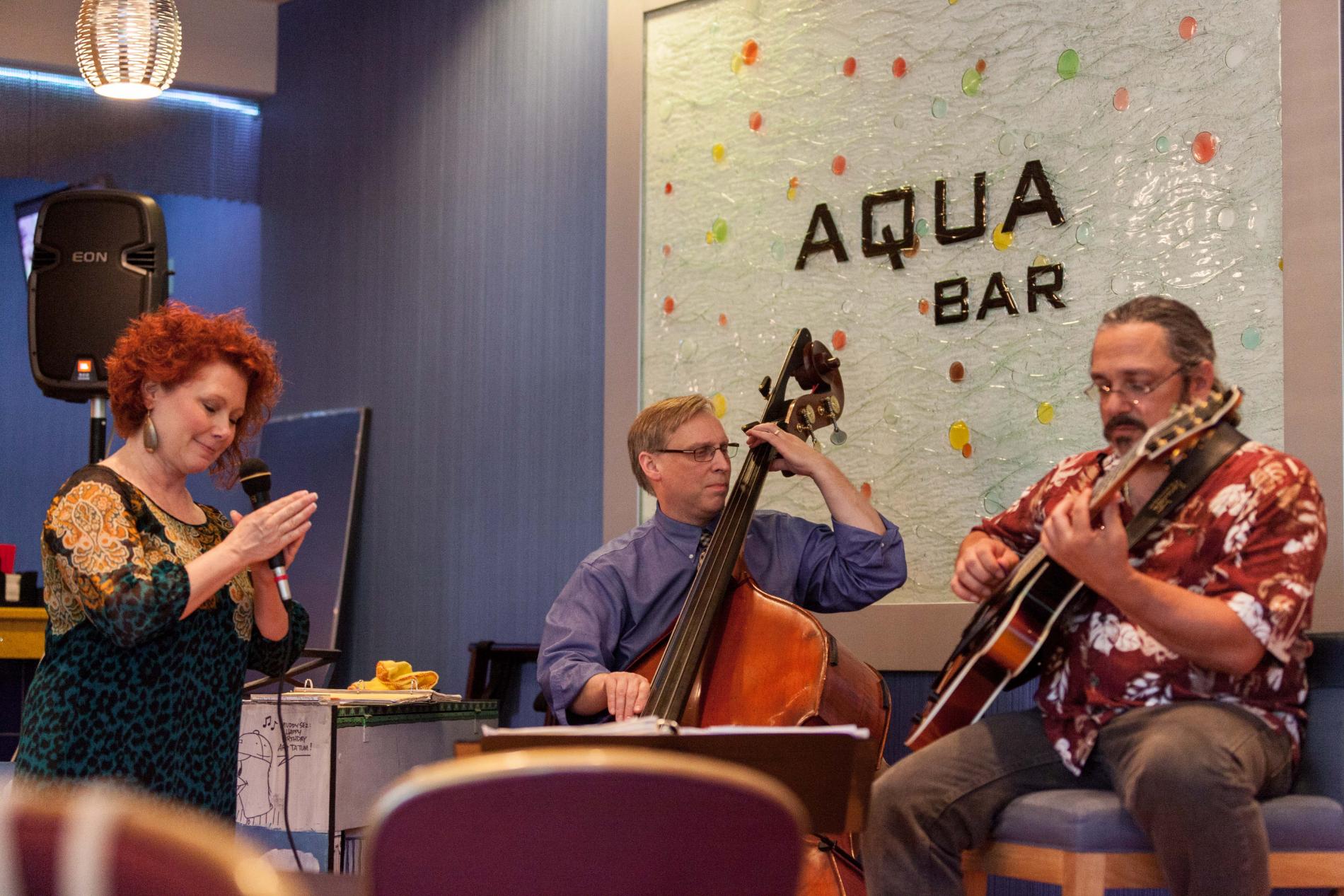
A living link to all of it. Toledo doesn't have to read about Gene — you can still go hear him.
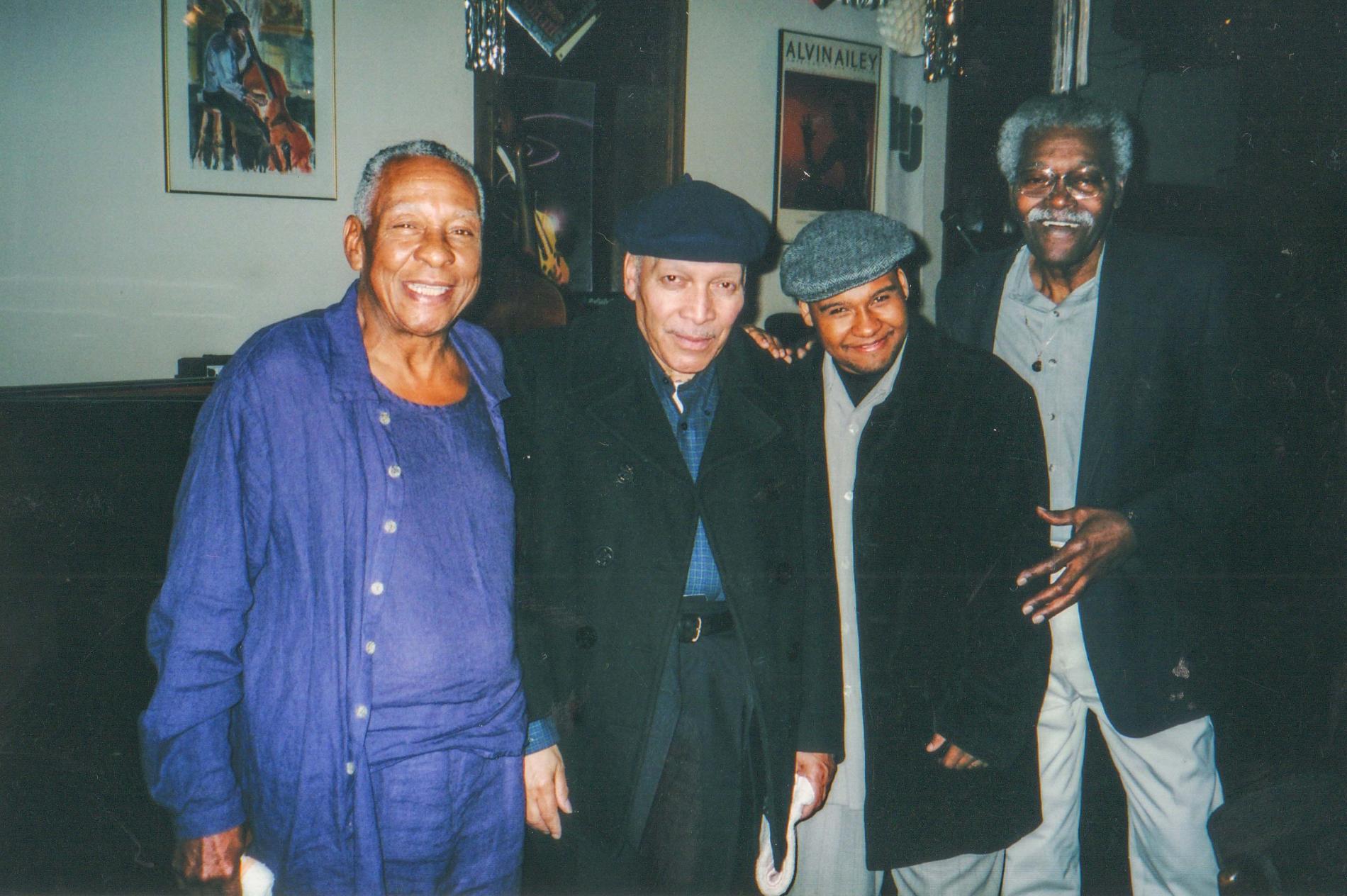
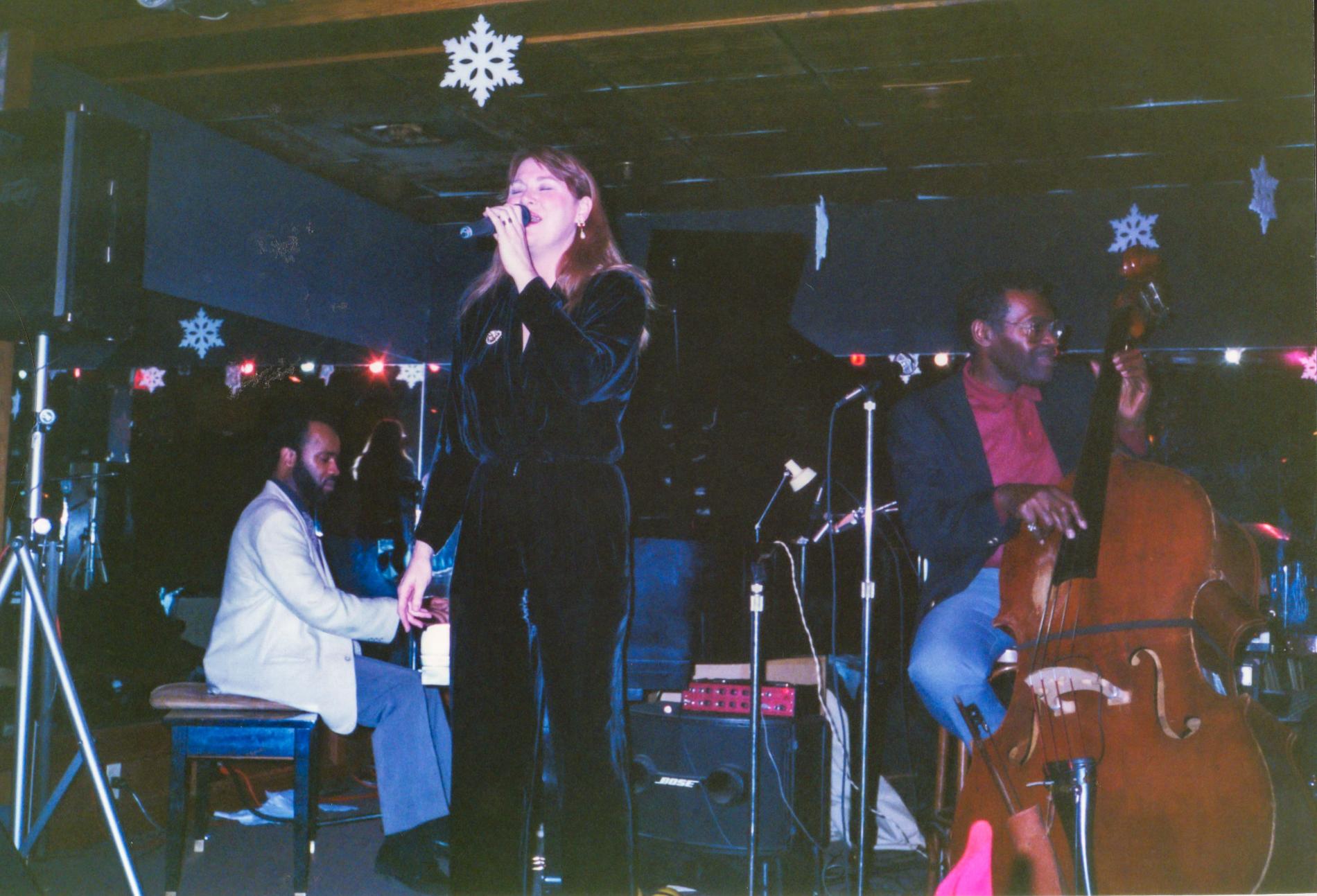
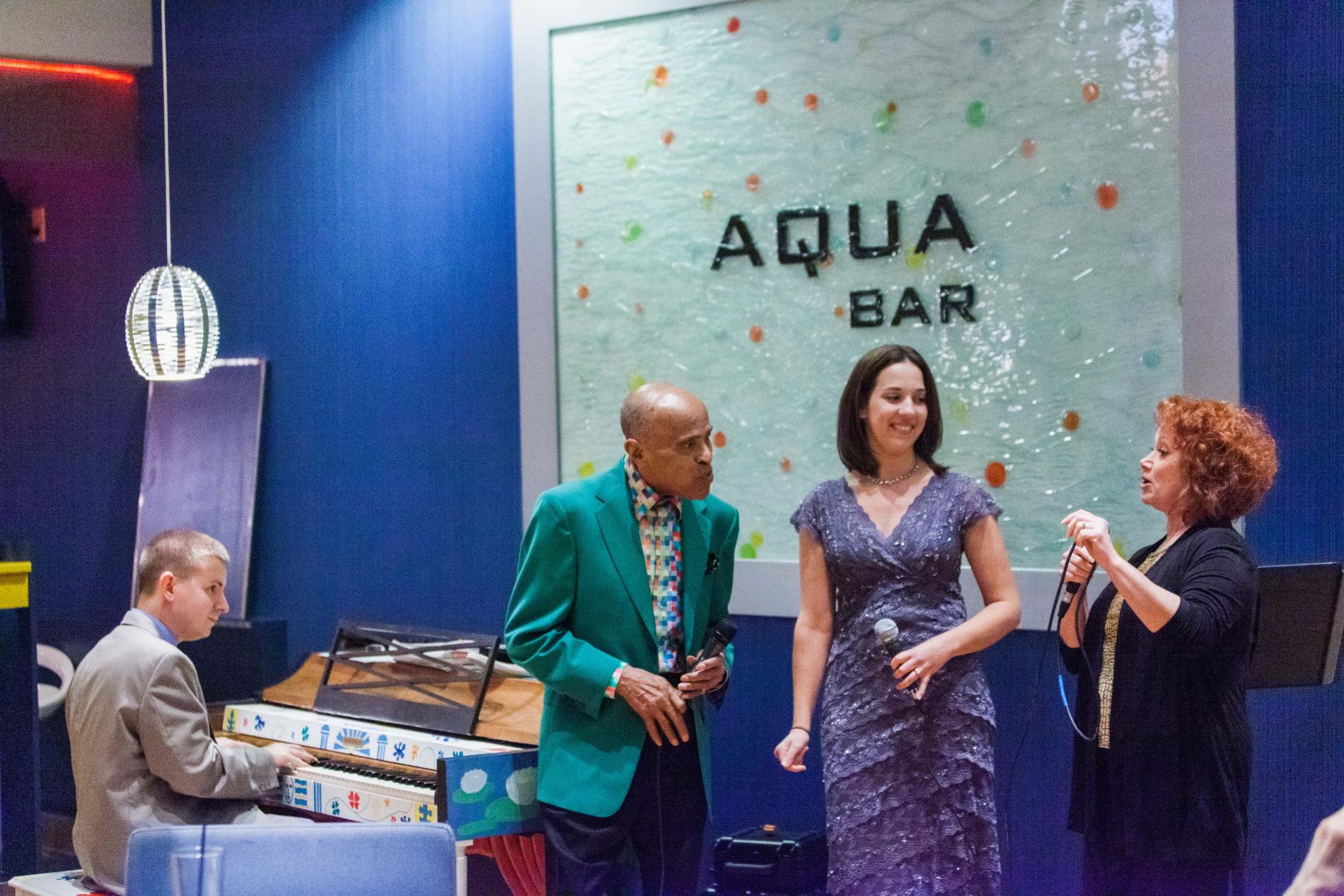
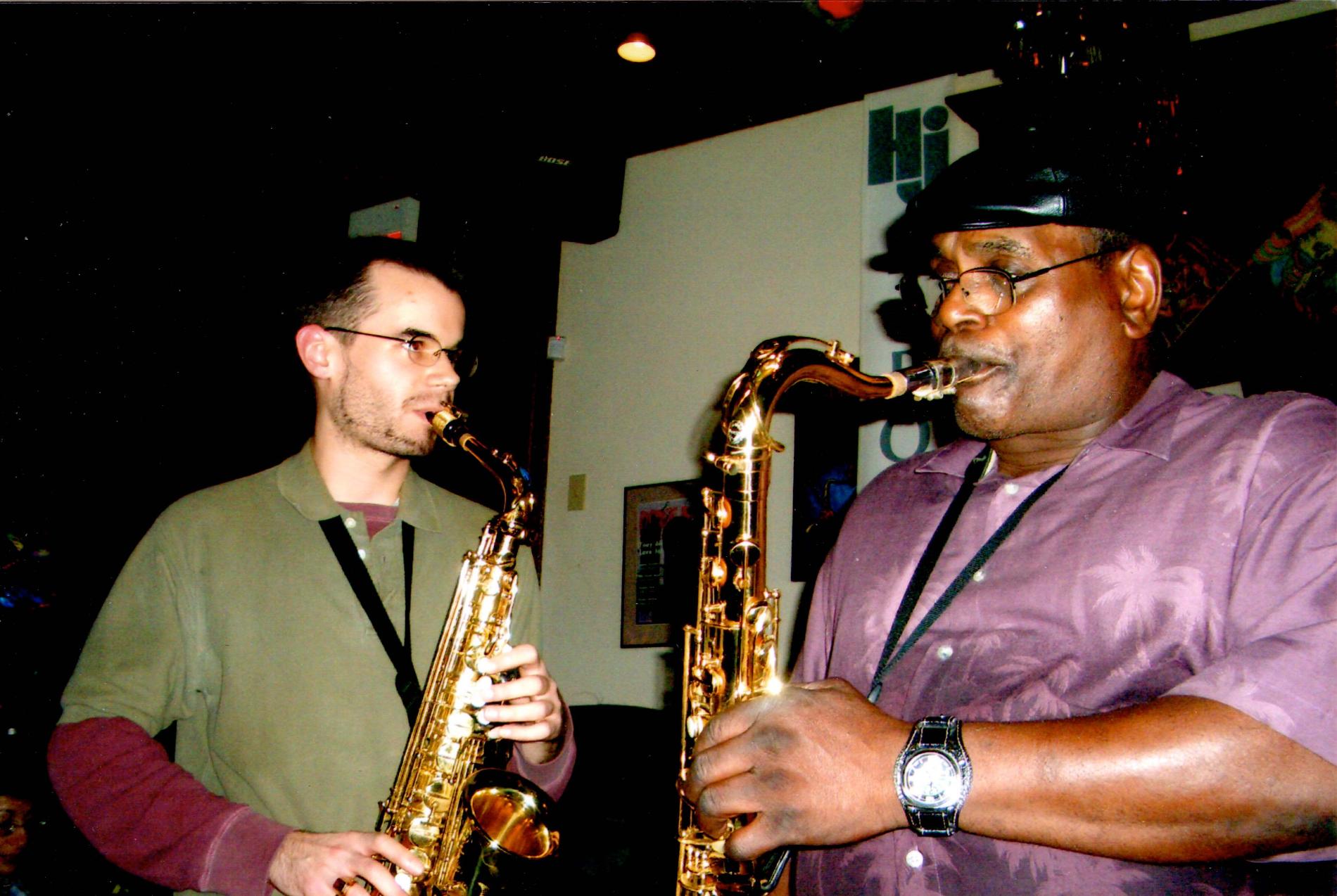
Jean Holden. Ramona Collins. Ray Heitger and the Cakewalkin' Jass Band. Players who have filled Toledo rooms for decades.
Buy the Book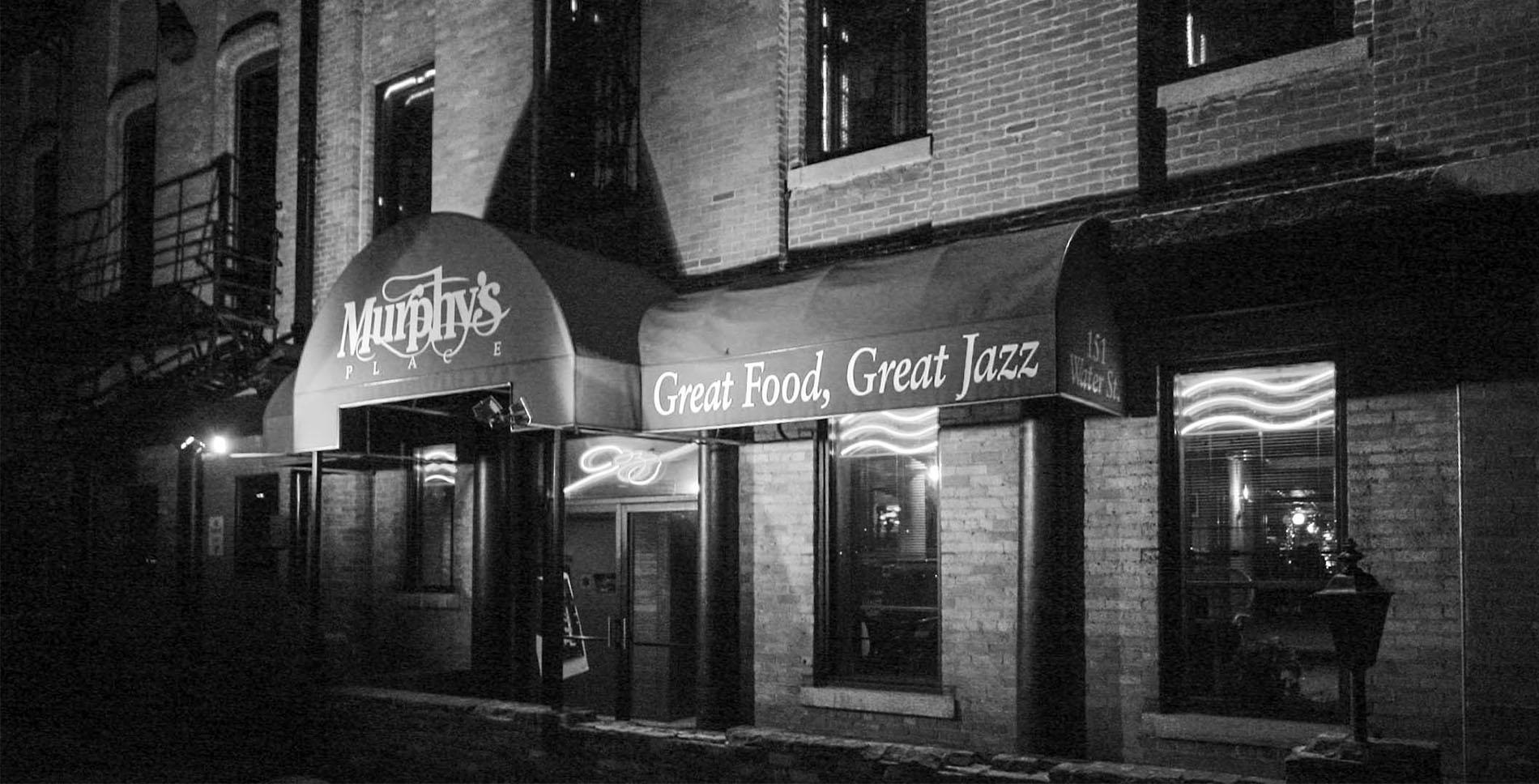
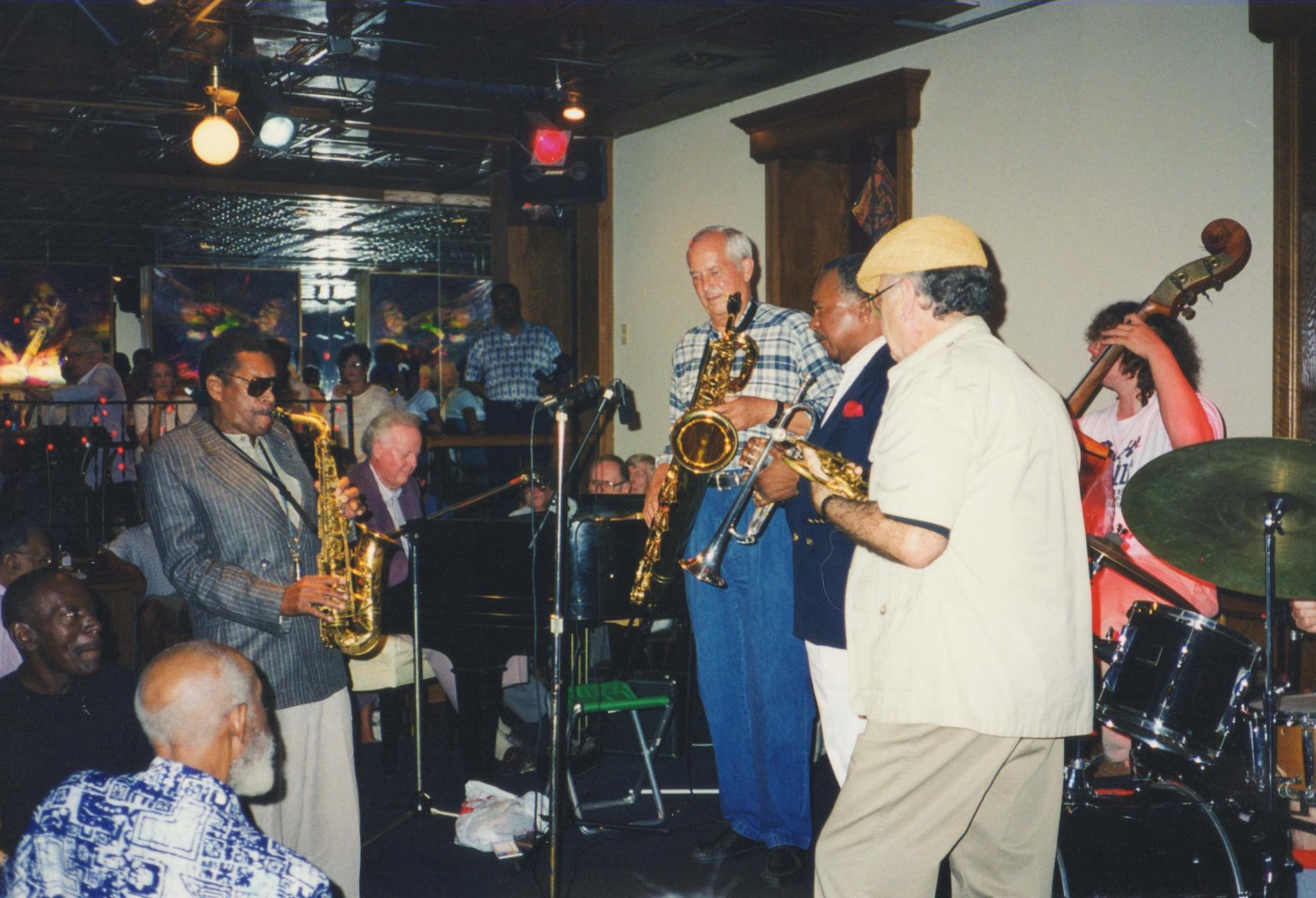
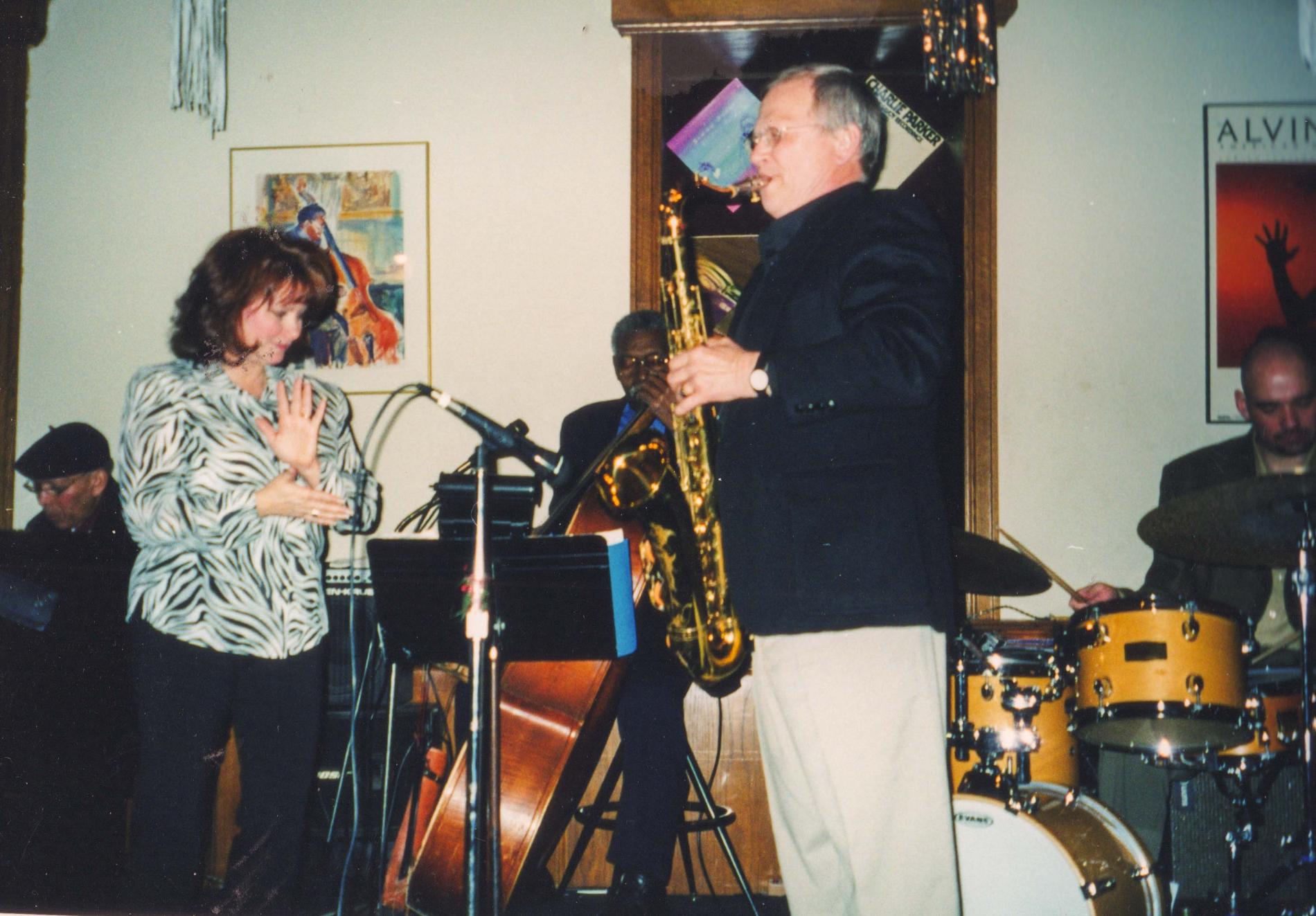
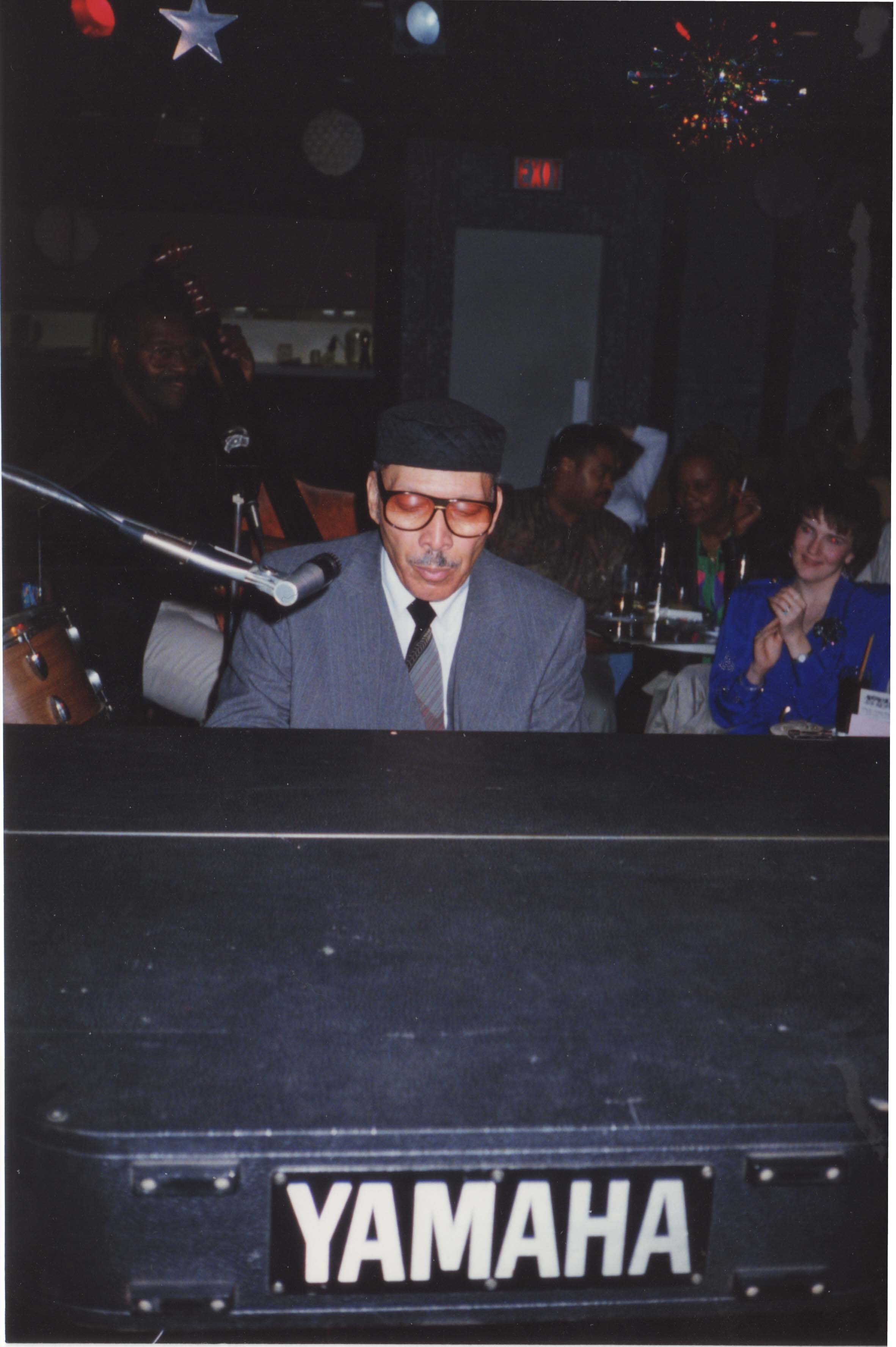
Cliff Murphy's club, and for a long stretch the center of gravity for jazz in this city. If you wanted to hear the real thing, you went to Murphy's.
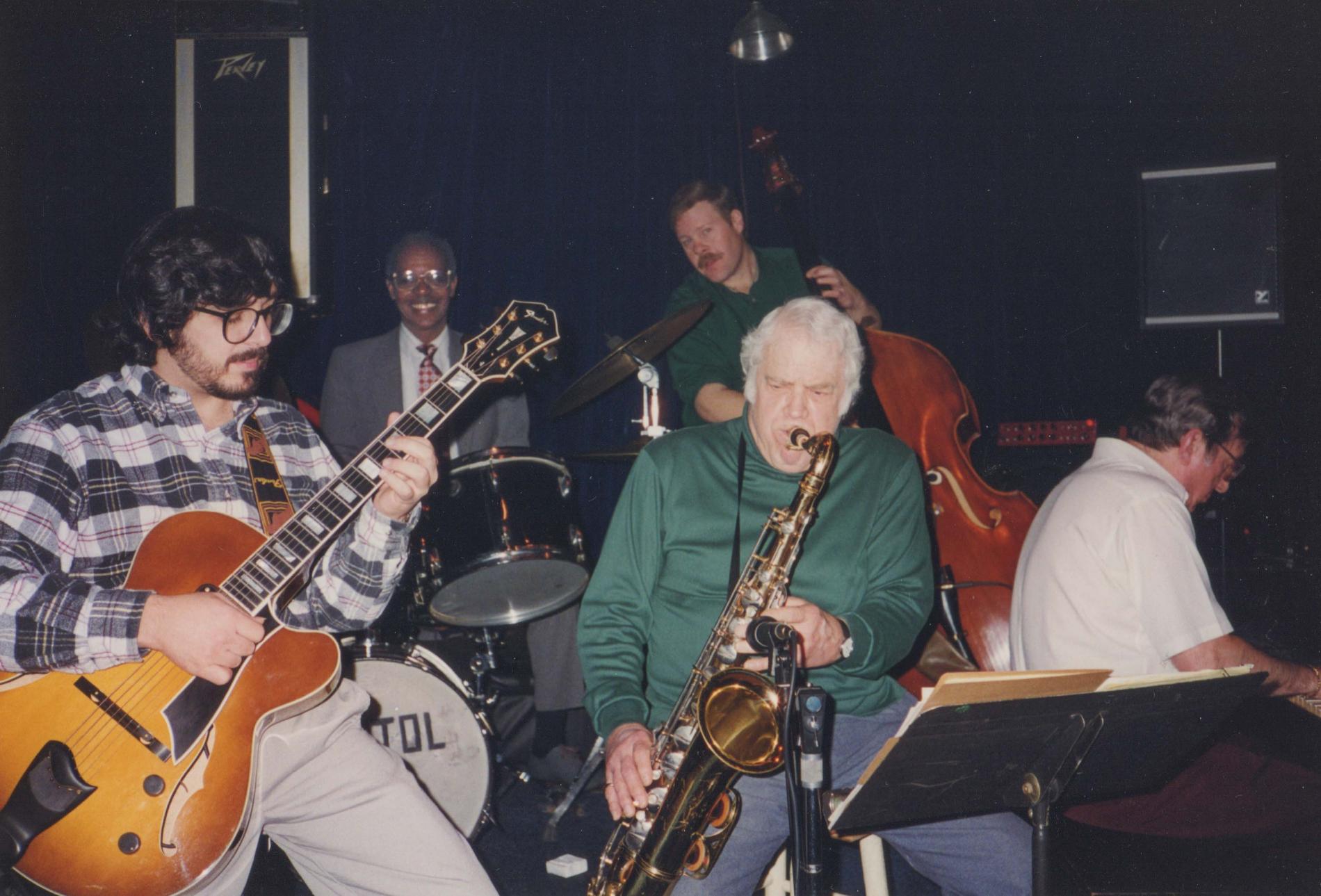
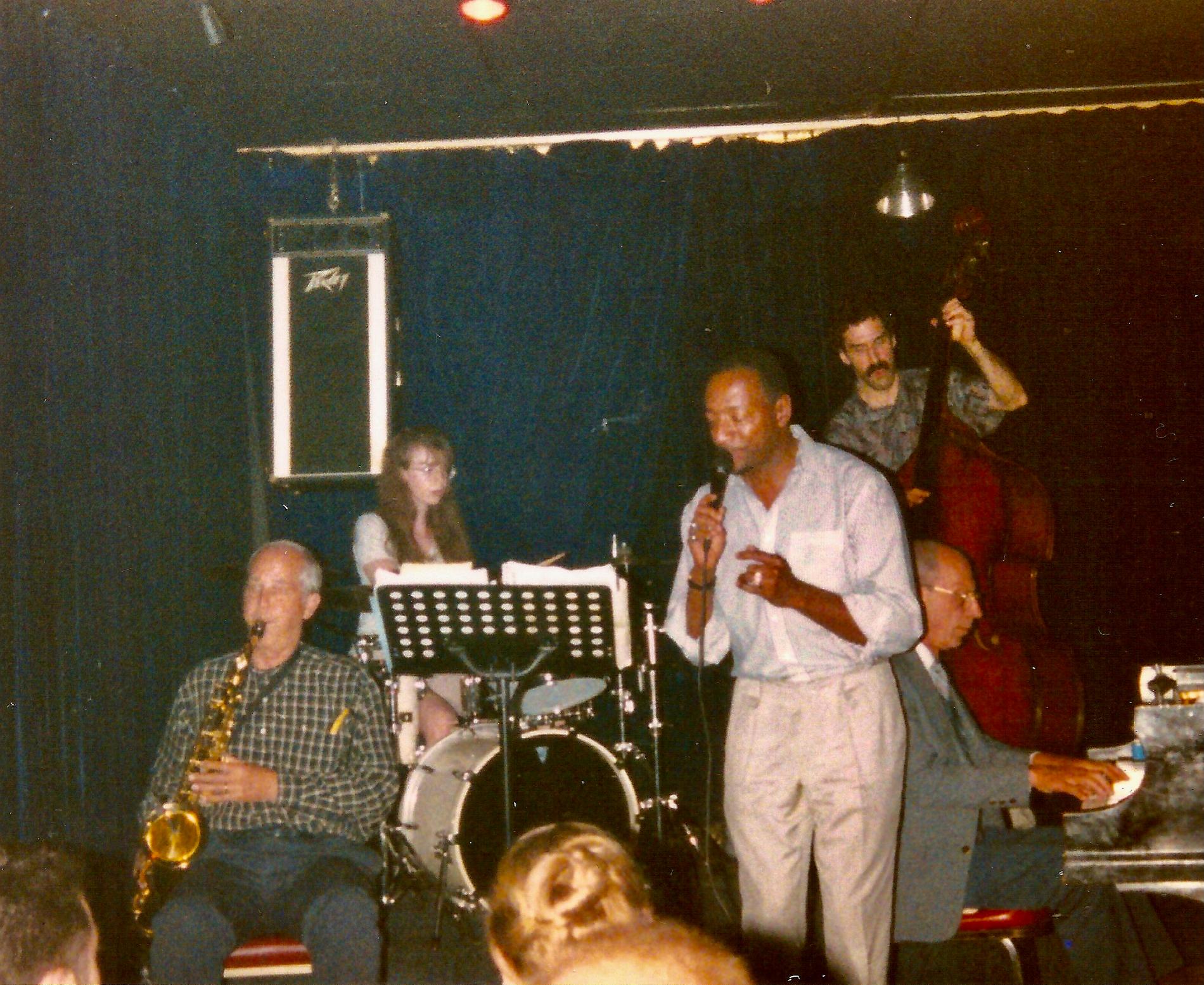
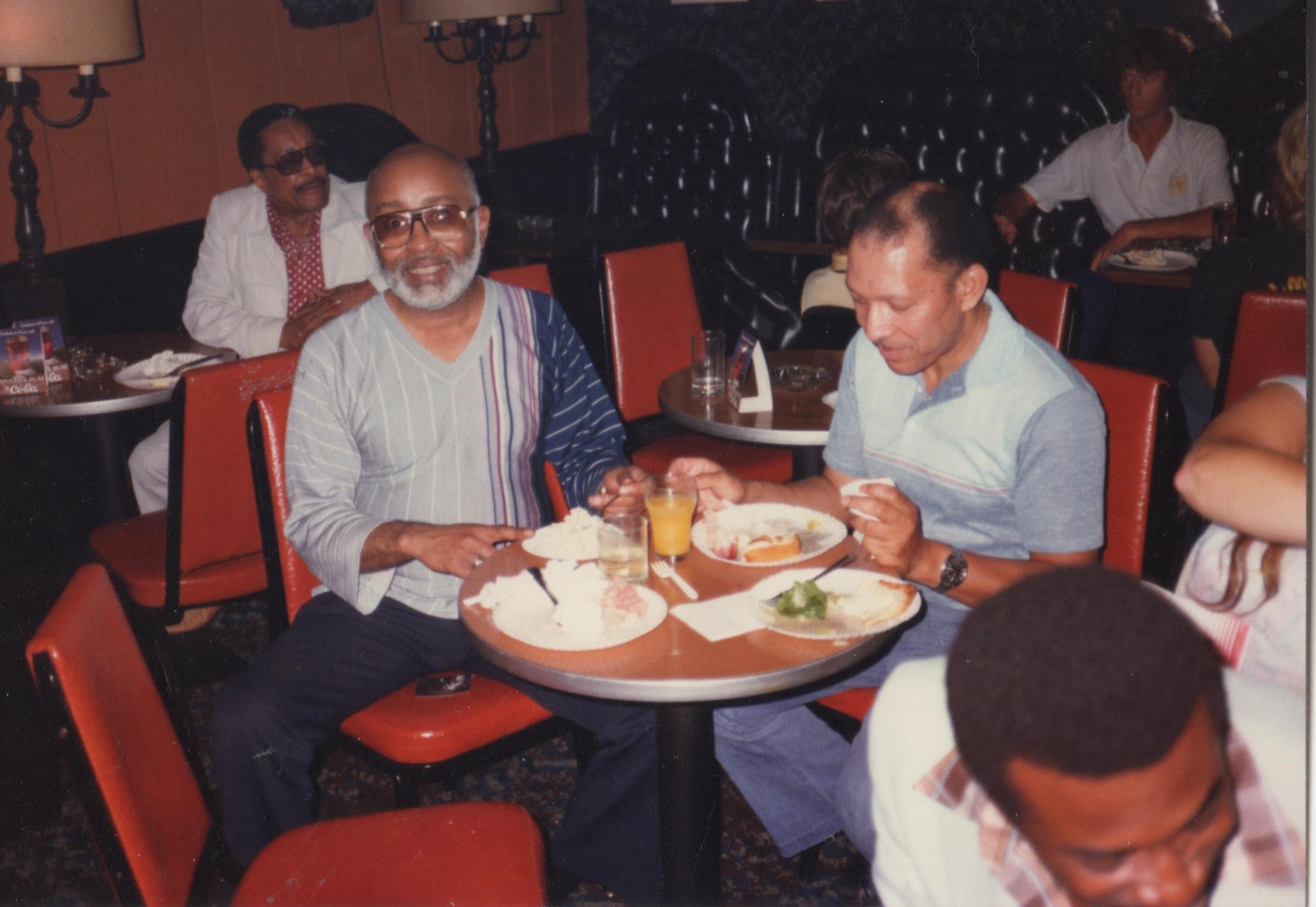
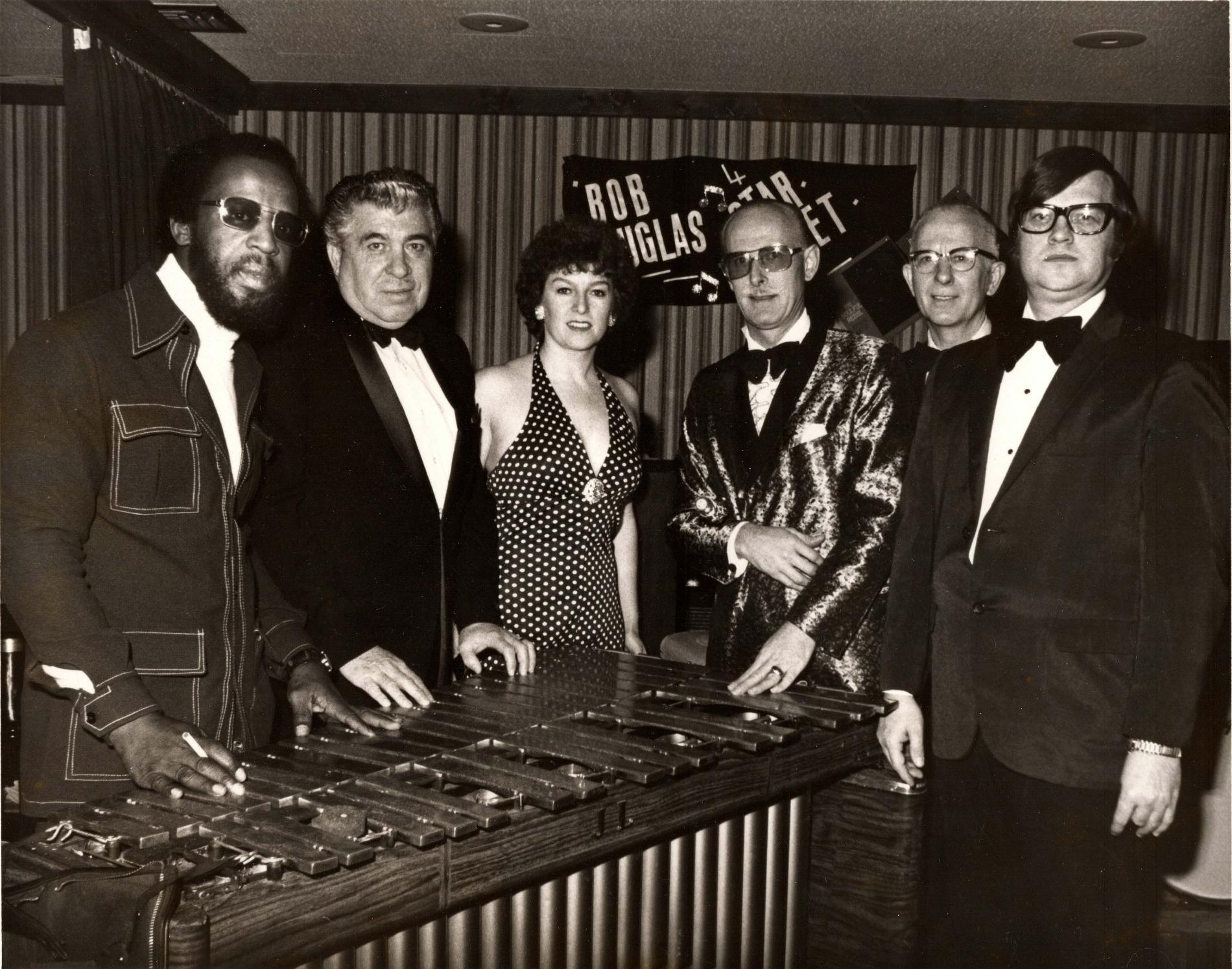
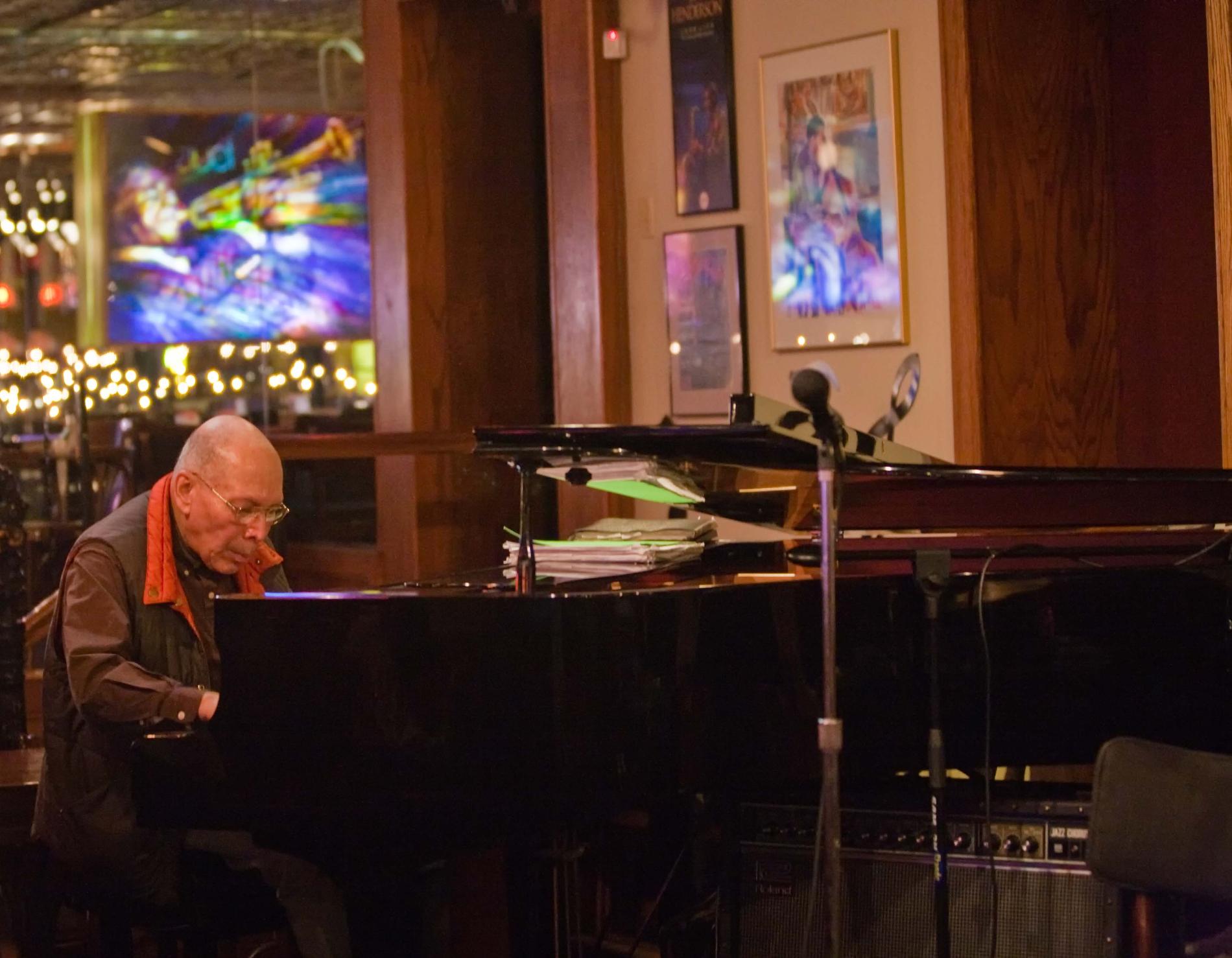
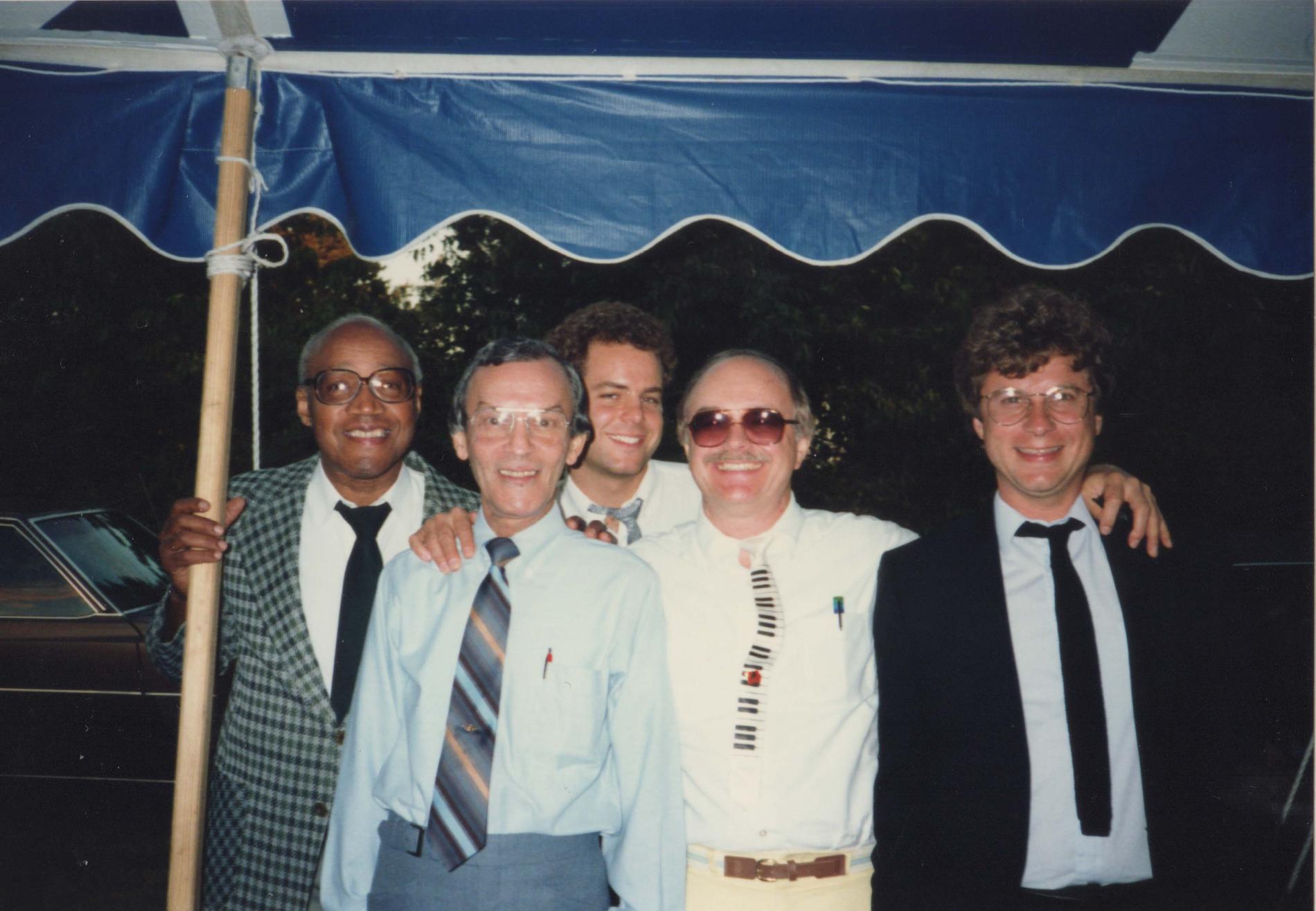
The room that carried Toledo jazz into the modern era, and where a teenage Doug Swiatecki talked his way in to meet the players he would later write about.
If you want to follow current jazz events in Toledo, subscribe for free to the Toledo Jazz Newsletter.
Nobody had ever put it on paper. Doug plotted the clubs, theaters, ballrooms and after-hours rooms of Toledo's early jazz years onto a period street map of the city — each location keyed to the pages where its story gets told.
Open it next to the book and the whole thing becomes a place you can walk.
The map is a separate print insert included with every hardcover ordered here. It isn't sold on its own, and copies bought through other sellers ship without it.
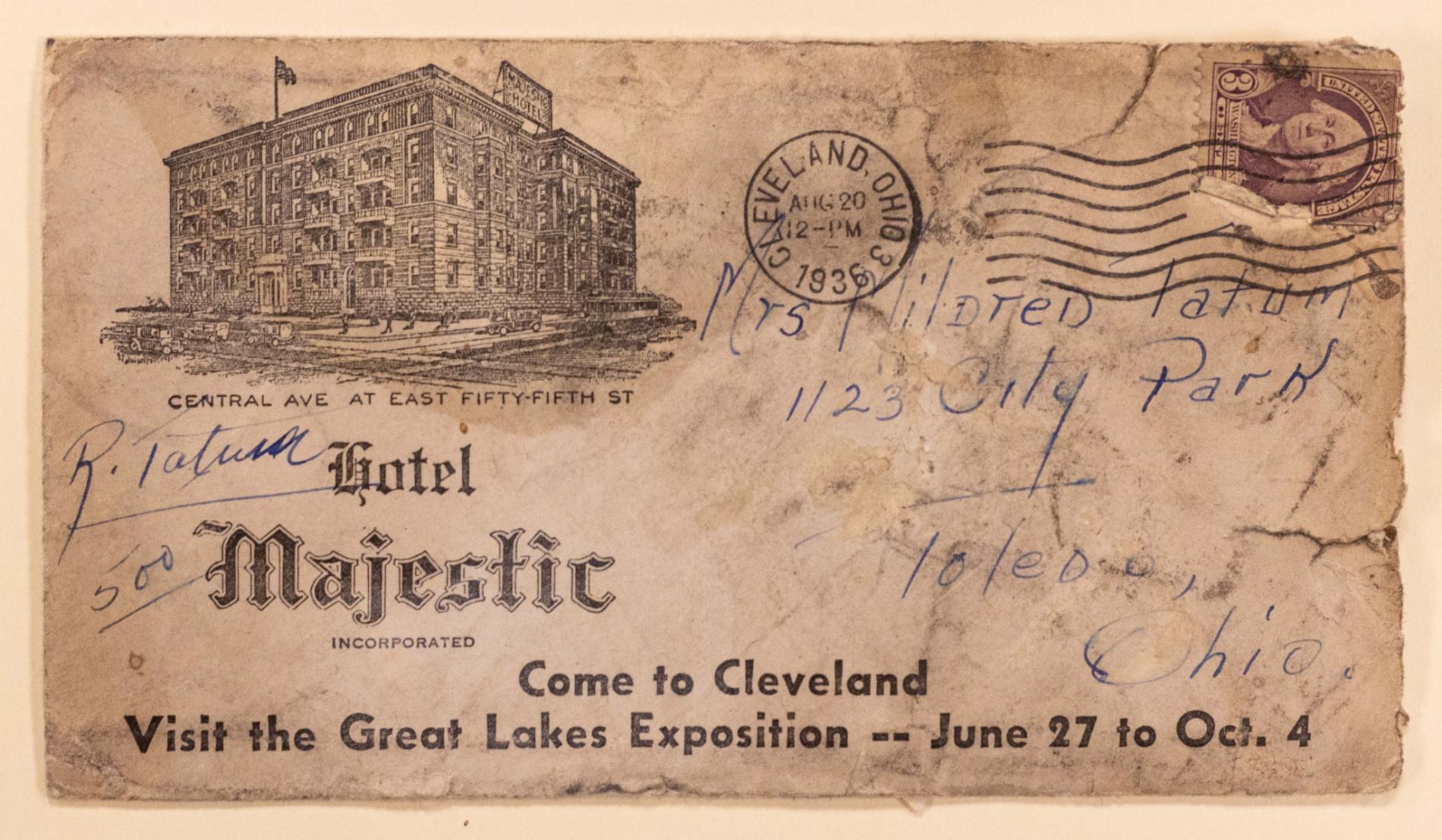
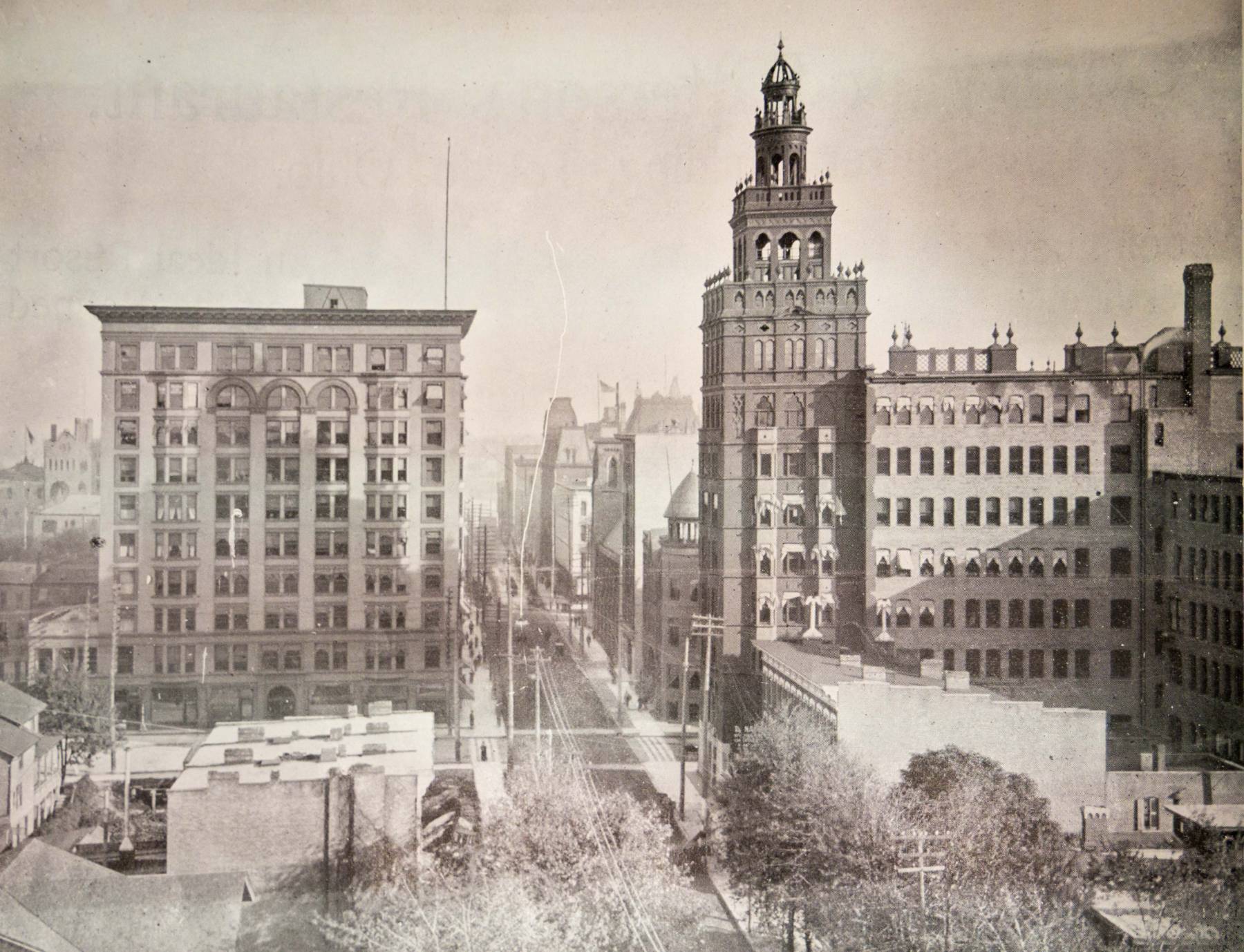
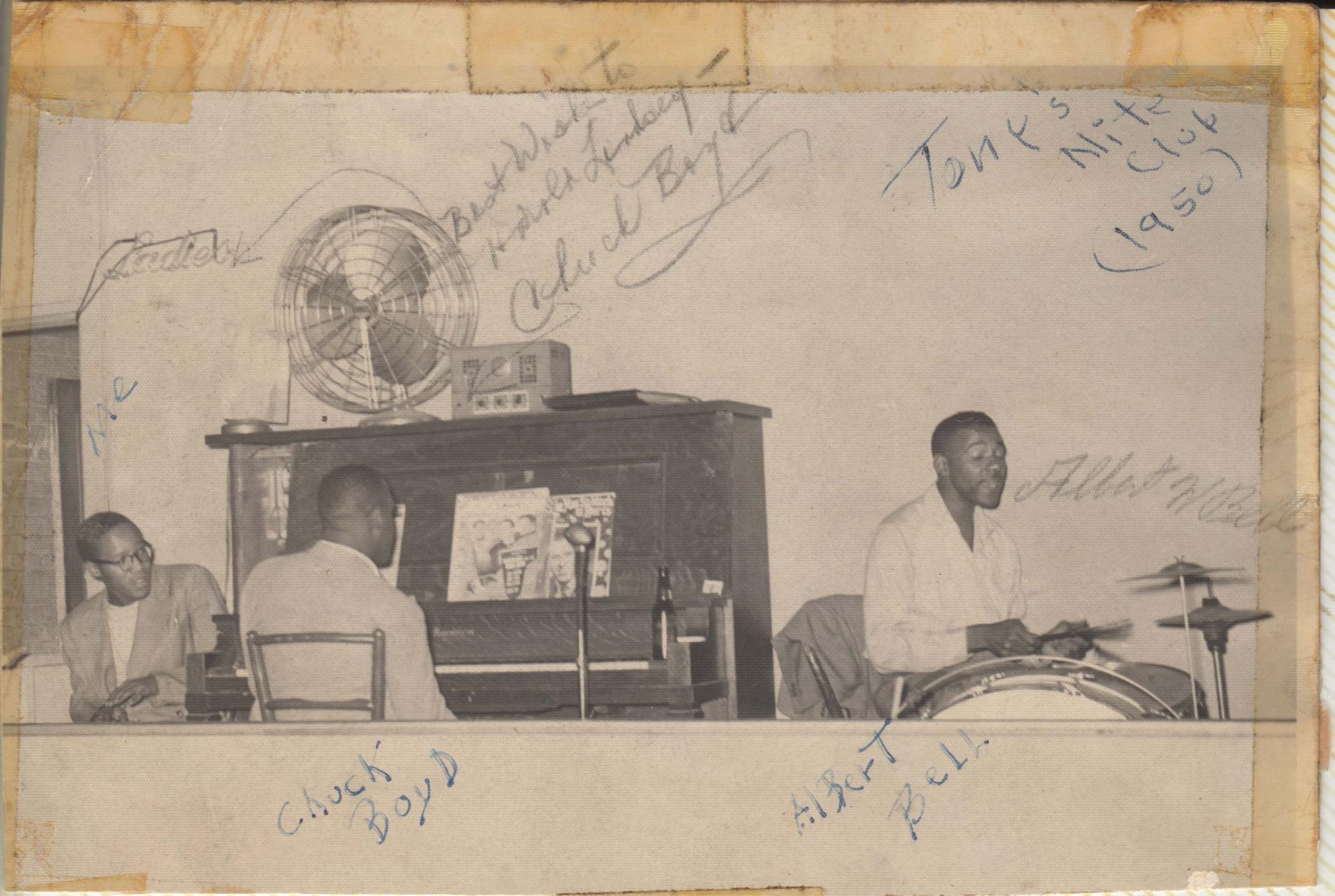
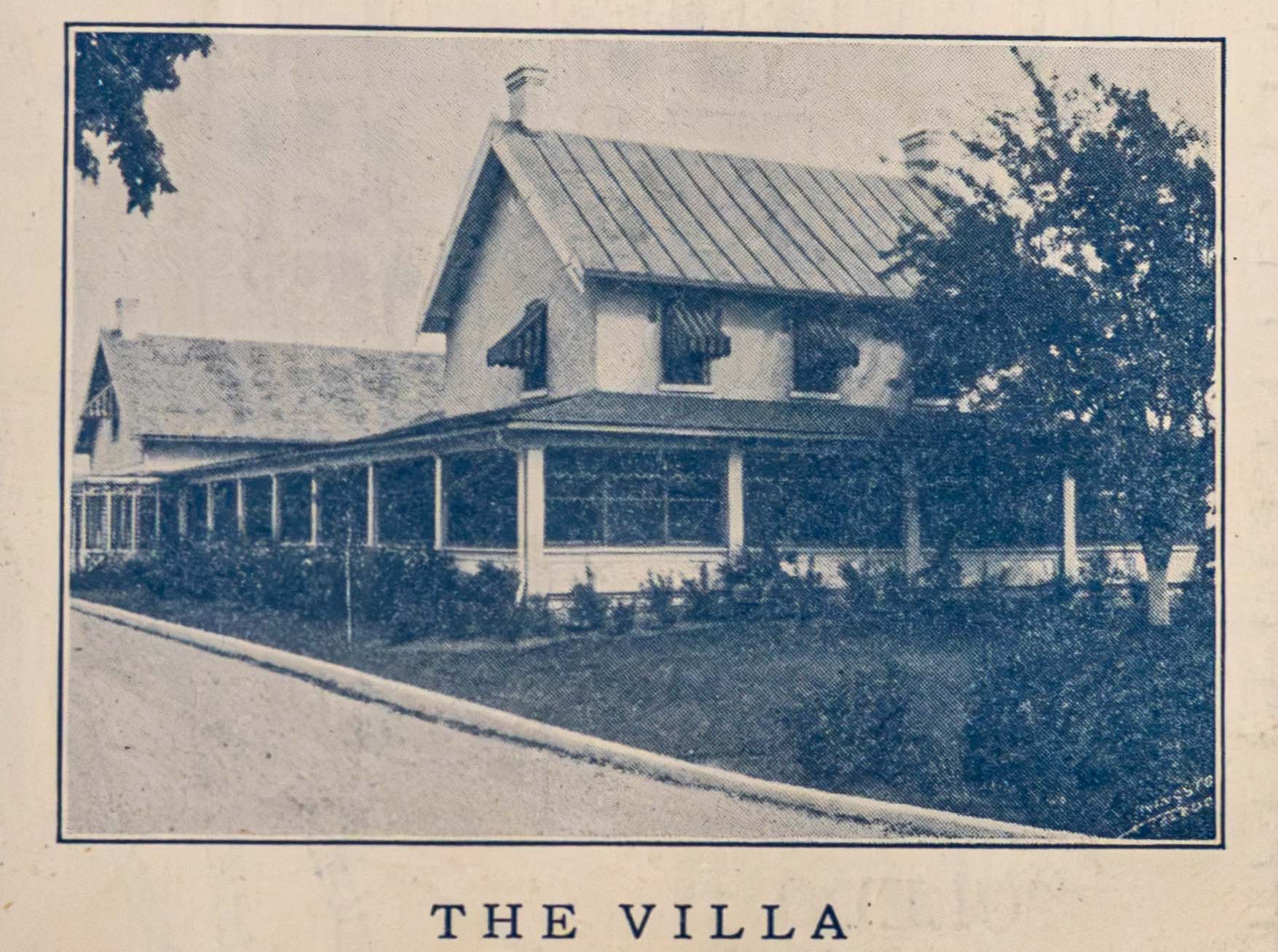
Years in library collections, city directories and photograph files, tracing rooms and bands that left almost no paper behind.
Conversations with the players themselves — many of whom the author first met as a teenager sneaking into their gigs.
Family correspondence and artifacts that reframe Art Tatum's early years, published here for the first time.
Toledo had the factories, the rail lines, the river and the appetite. It also had Prohibition, a wide‑open reputation and more places to hear a band than a city its size had any business supporting. The music that came out of it reached much further than the city ever claimed credit for.
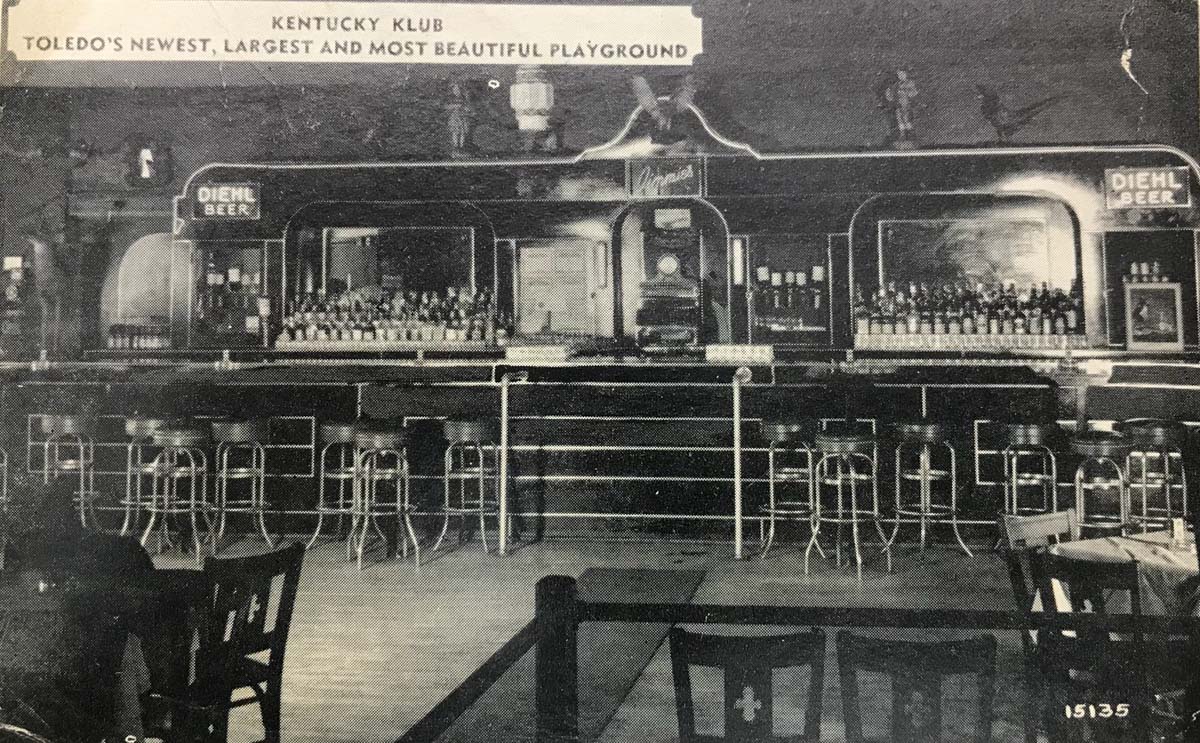
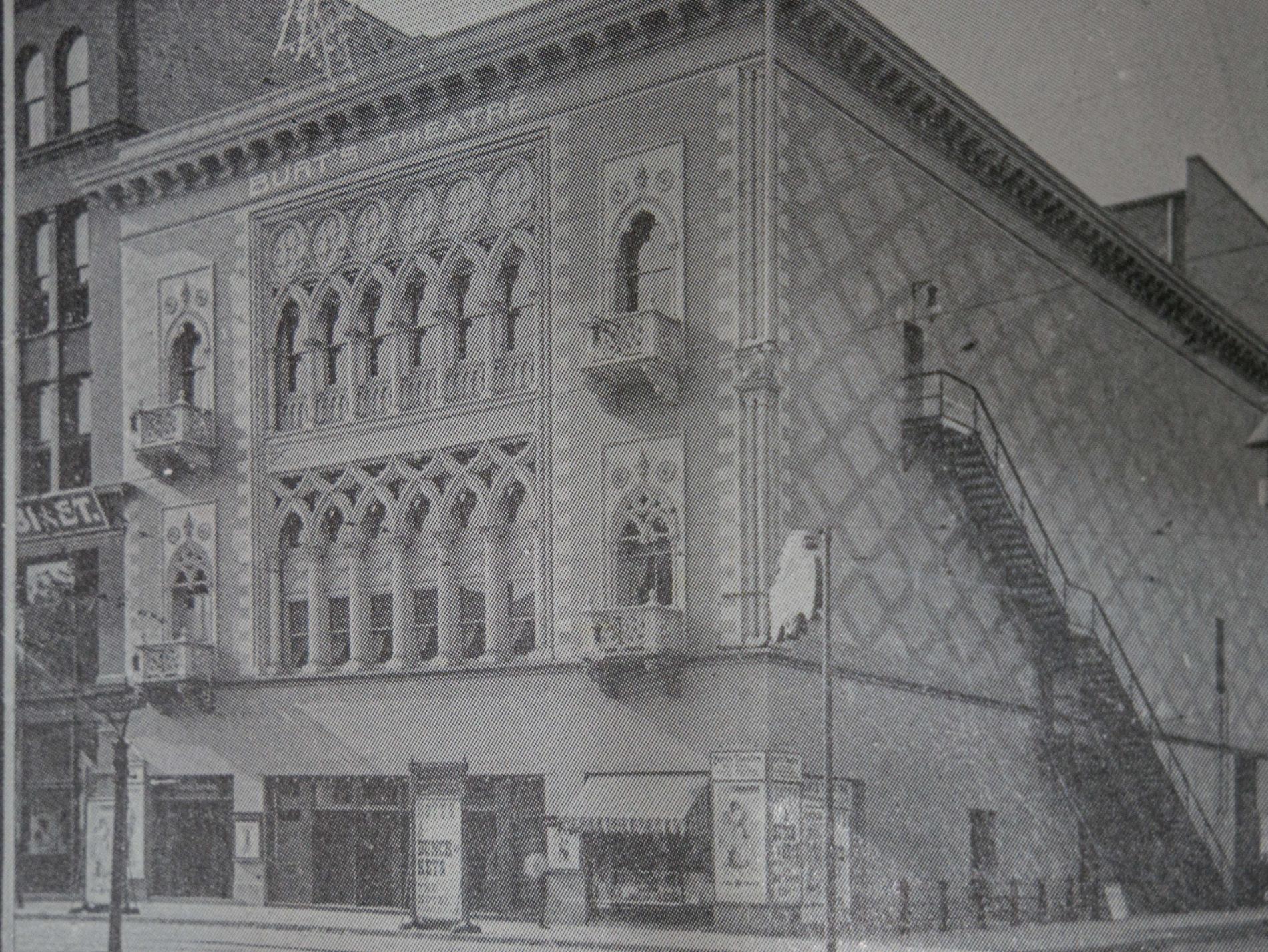
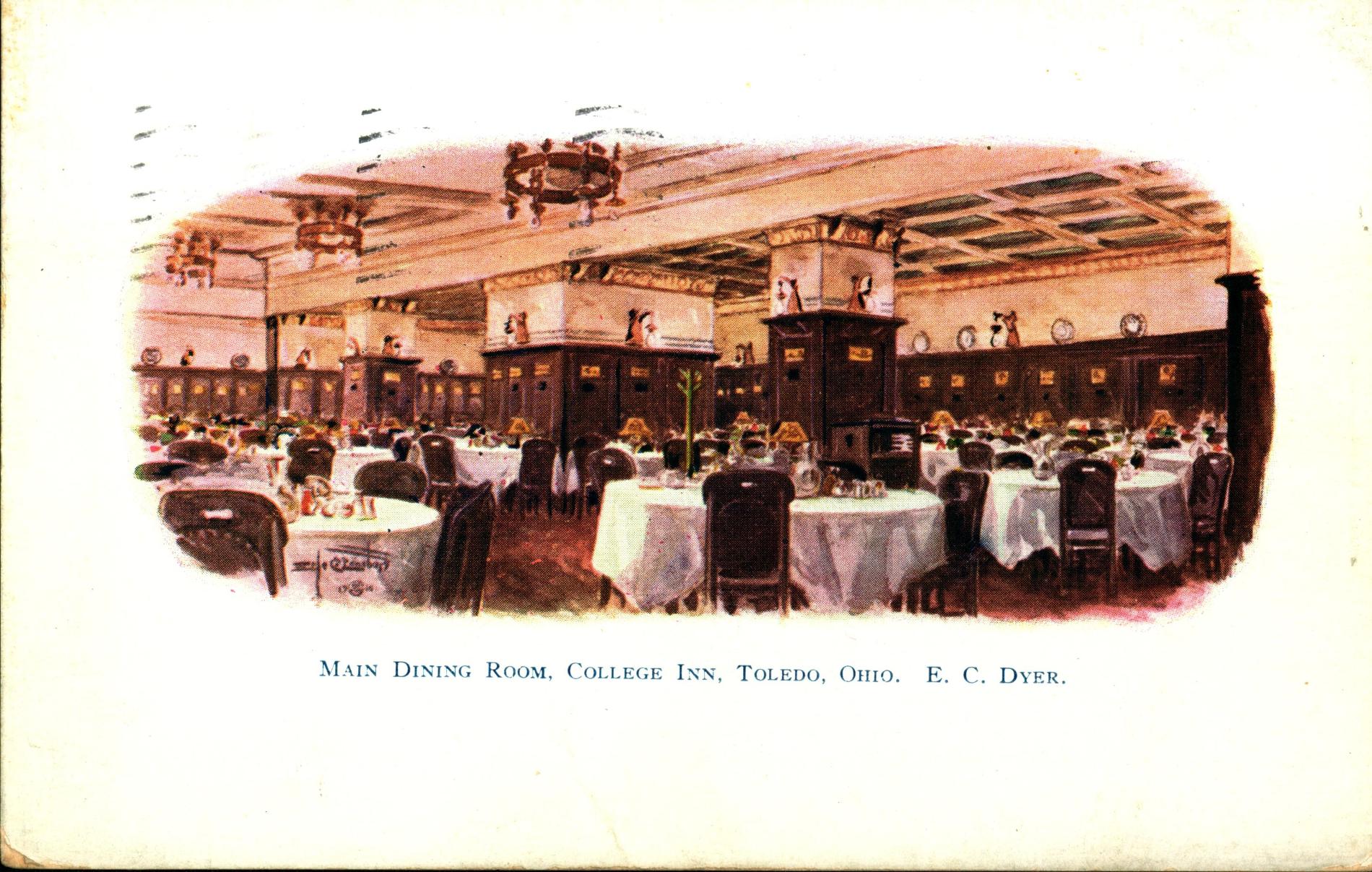
How theater pits, riverboats and touring circuits primed a factory town for a brand new music.
Prohibition made Toledo profitable for the wrong people — and busy for the bands they hired.
The Waiters and Bellman's Club, Herman's, the M & L Rendezvous, the Trianon — plotted street by street.
New family correspondence on Art Tatum's formative years, and James P. Johnson's overlooked Toledo stretch.
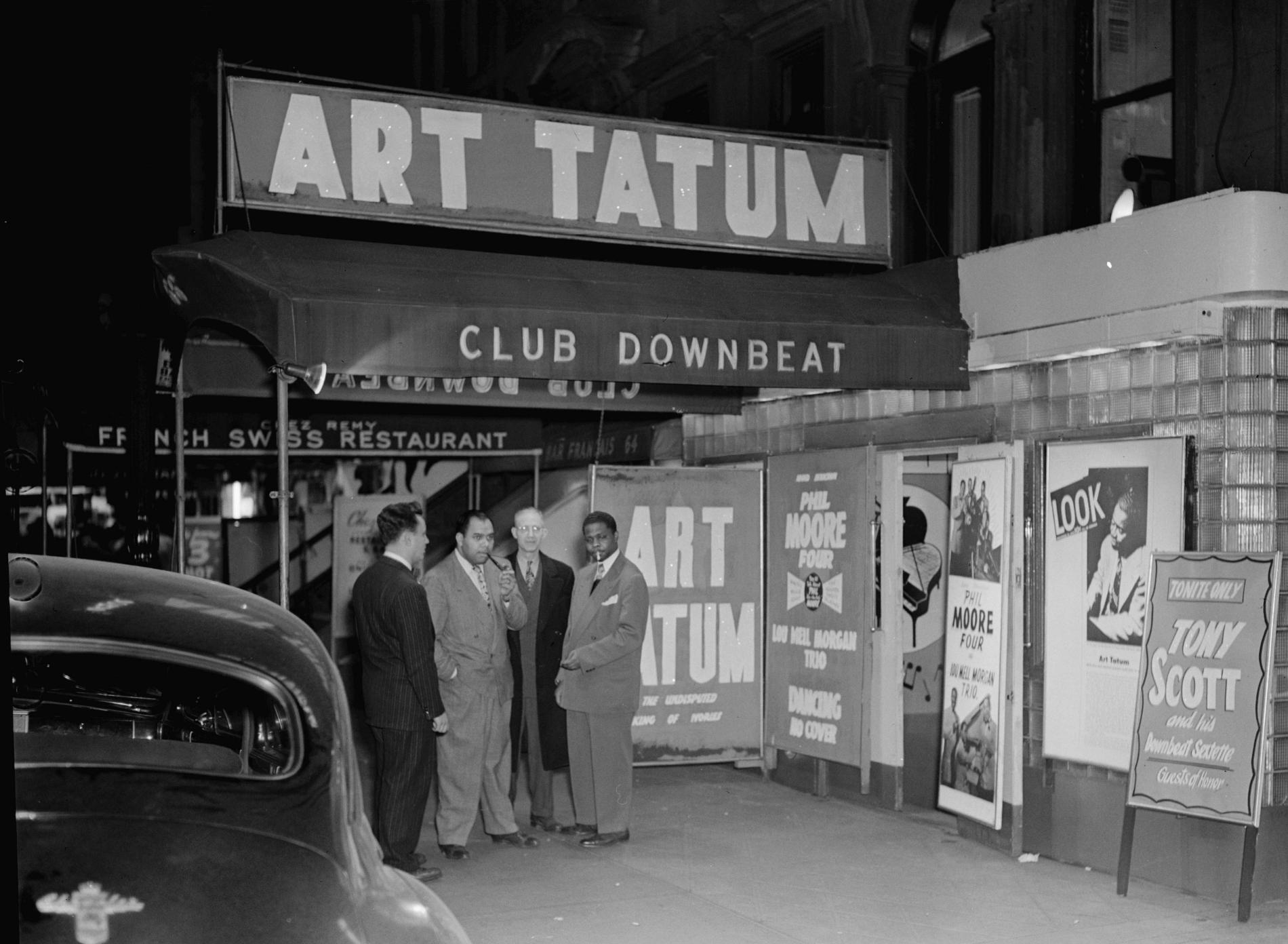
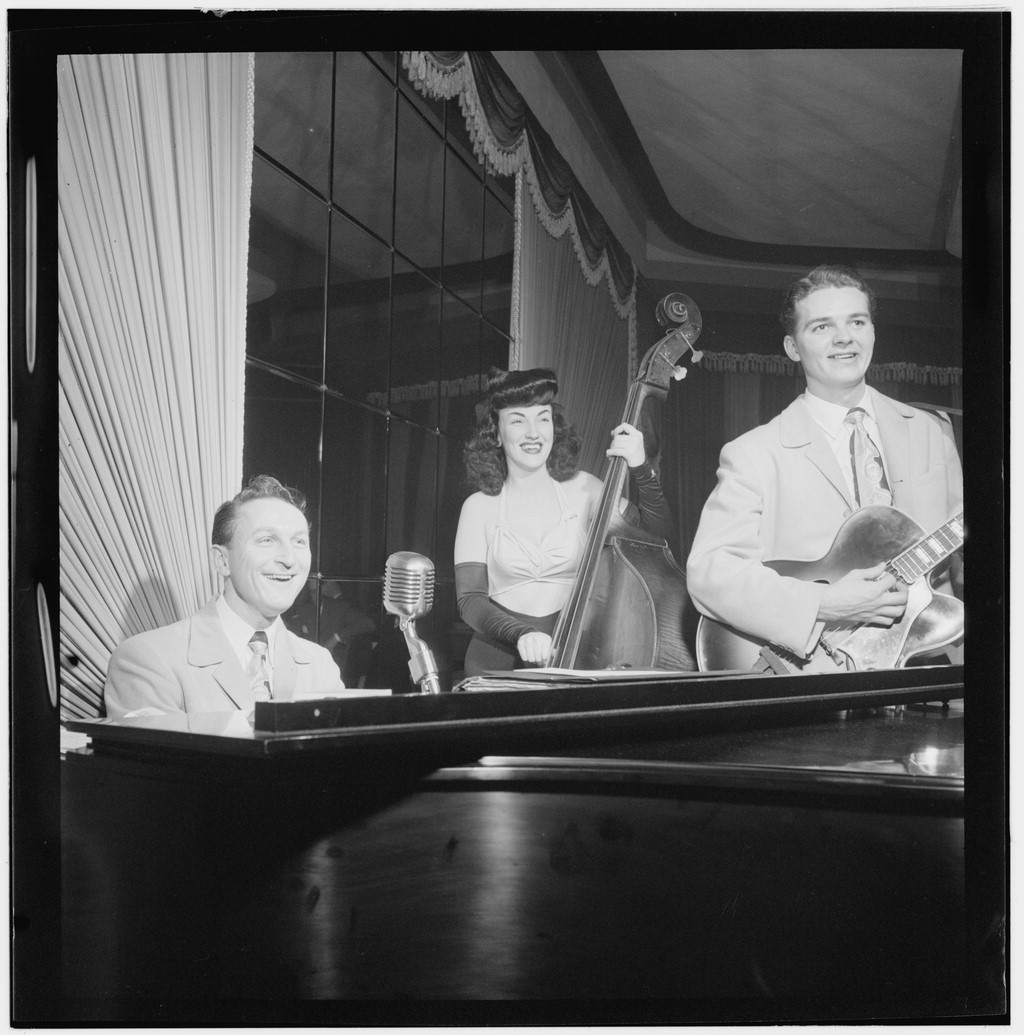
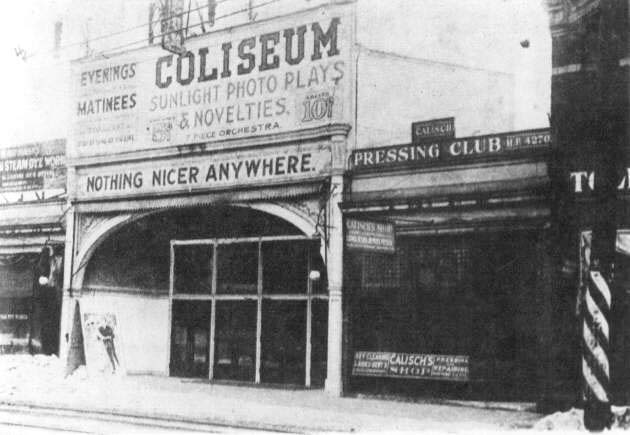
They used to call Murphy's the university of Claude and Clifford.
Vol. 2 covers Jon Hendricks, Rusty's Jazz Café, Murphy's Place, Larry Fuller, Aku-Aku, Gene Parker, Ramona Collins, Jean Holden and the Cakewalkin' Jass Band — plus a special section on Toledo's women of jazz, and much more.